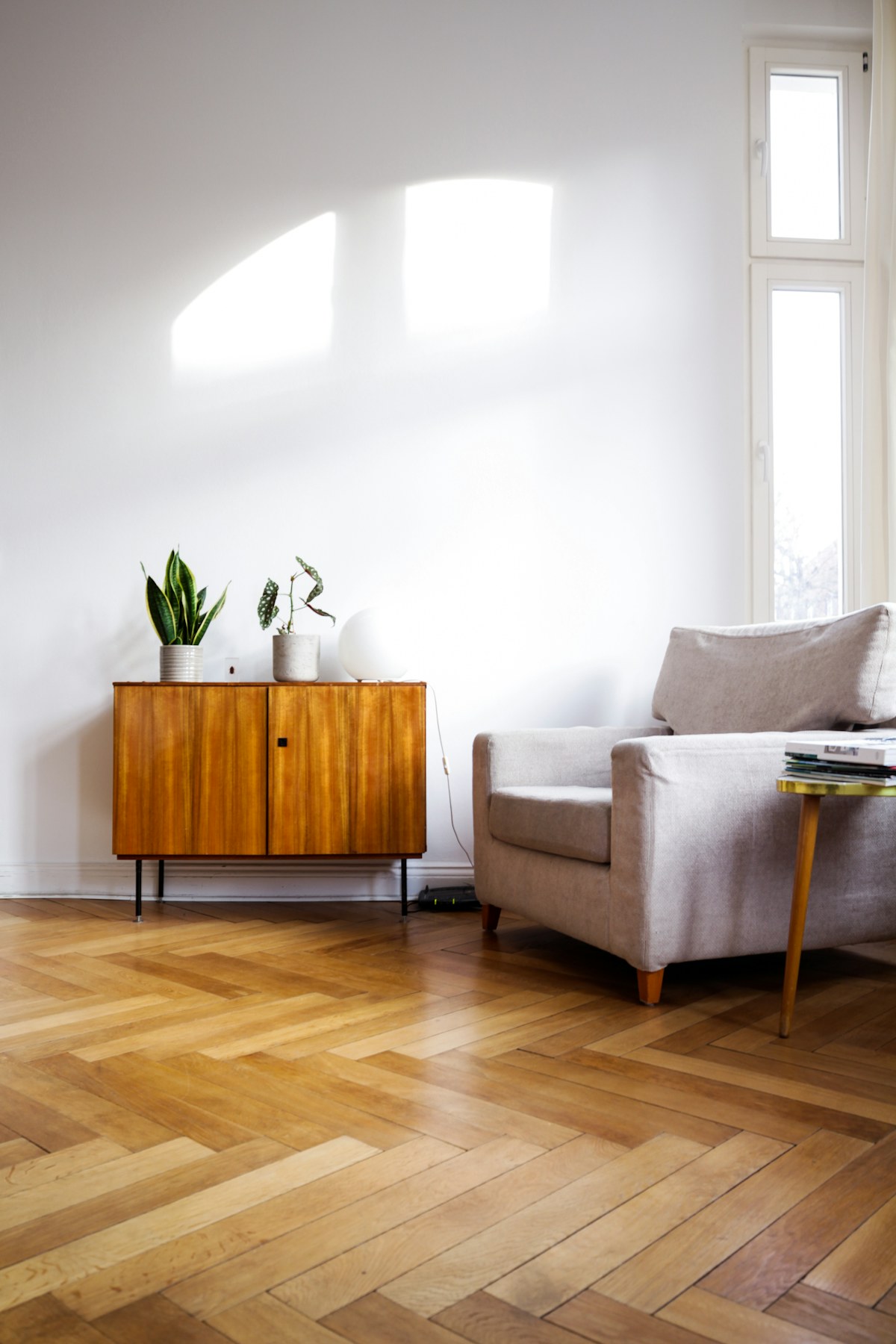
A sideboard in a living room can be a place to serve coffee, store games, keep the good dishes close to the table or put down a book when somebody knocks. Trouble begins when the surface is expected to do all four things and its doors hide whatever has no other home. You can tell how well it is working by opening one door while holding something you want to put away. If you already know where that thing will go, the furniture is earning the space it occupies. If it has to sit on the top until a later decision, the inside needs a simpler purpose.
Start with two objects you use in the room. One might be a board game you get out every Friday. The other could be a serving tray that travels to the kitchen. Put both on the floor where the cabinet will stand and imagine the next time you reach for them. A deep cabinet may hold a wide tray upright but make a game box easy to lose at the back. A shallow cabinet can make every box readable and leave the tray needing another home. The size and shape of the things you actually use can decide more than a list of compartments.
Assign the sideboard one first job
Name a routine you want the furniture to make easier. If the room doubles as a dining room, try using it for the transition from clearing the table to serving. A suitable shelf can hold the plates you need, and the top can provide a clear spot for a tray. If the sideboard stands beside a sofa, it may be a better place for the games and small objects you reach for from the seating area. The work of opening, reaching and putting things back tells you whether this belongs in that position.
Look at the route between the sideboard and the place where its contents get used. Carry the empty tray from the cabinet to the table as you would when guests are sitting there. See whether you can make the turn without passing close to someone's chair. Bring a game box out and set it down where people play. You may discover that the cabinet makes more sense at the other end of the same wall. A long walk around a table can turn a seemingly nearby storage place into a place you avoid using.
Allow the cabinet a second job when the two routines can use it at different times. A top that serves tea in the afternoon can hold a lamp in the evening if the lamp leaves a clear part of the surface. The storage under it might hold both a few dishes and a book you read every week. Give the items a clear position so the two uses do not compete for the same interior space. If the lamp occupies the whole top, choose what job the rest of the surface can realistically do. It may be a landing for one cup and a coaster.
Decide what has to fit in front of it
Measure the cabinet's depth with its doors closed and with them open to the position needed to reach the shelves. Include the handles, any lip along the back and the room the wall or skirting takes away. A product drawing can help you see where the top, sides and feet differ. Mark the closed footprint on the floor with removable paper. Open a nearby door, pull out a chair and move through the room carrying something in your hands. The sideboard can fit against the wall while leaving an awkward path through the center.
Draw an open door or drawer on the floor with a second set of paper marks. Stand where you would reach a dish and see how much space you need to bend and turn. A sliding cabinet door reduces the space it needs in front, but check how much of the interior stays covered. Drawers can make a deep cabinet easier to use if you have room to extend them. Choose the opening style by thinking about the objects and the passage together. A room that has little space behind its chairs may need a shallower cabinet before it needs a different mechanism.
Follow the furniture maker's instructions on assembly, placement, loading and securing. Check that the floor and the available installation points suit the unit. Where anchoring is specified, use the instructions and compatible fixings, and seek appropriate help if the wall or installation requirements are unclear. A well placed cabinet should let you take things out with the piece stable and leave the doors free to move as designed. If its position interferes with a vent, door or electrical equipment, choose another spot before the furniture is loaded.
Measure the object and the movement it needs
Take the largest game box, platter or vase you intend to keep inside and measure it in the orientation you want. A shelf has to leave enough room for your hands to lift the object out, even if the object's stated dimensions appear to fit. A tall piece can fit behind the door and still catch the shelf above when you tilt it. A box might clear the opening but have no grip at the far side. Try the motion with a similar shelf or a plain cardboard outline before deciding that a compartment will work.
Place frequently used items in the part of the cabinet you can reach most comfortably. Keep heavier items where you can lift them without reaching high or bending over an obstruction, and stay within the shelf and furniture limits. A shelf at the back can hold items used on the same occasional occasion, like a set of light decorations that all come out together. A front position earns its space when you can use it without shifting anything. If you regularly lift a stack to get the plate under it, try giving that plate a clear place of its own.
Use small containers only where they solve a particular problem. A shallow box can keep pieces for one game together. A low tray can carry coasters to the other side of the room. Pick containers that slide out easily and don't project into hinges or tracks. See what the group looks like when all the pieces are returned. A compartment that holds five items loosely may be more useful than one packed with boxes that you have to open in order. Leave some room to put an object back on a busy evening.
Keep the top usable when the room changes
Place the objects you expect to live on top and leave a clear area the size of your everyday tray or open book. Put the largest permanent object at an end and see whether it interrupts the path to a nearby door. If you keep a lamp there, choose a safe position for it and follow the manufacturer's clearances and electrical instructions. Route the cable so the doors and feet of the cabinet do not catch it. The remaining surface can hold something you bring to it while you are in the room. A small serving space is useful only if it is ready when somebody arrives.
Consider the view from the seat you use most often. A sideboard near the sofa may have several small objects on top that are barely visible from the doorway. A single tray or broad object can make it easier to clear a collection without carrying everything separately. Keep fragile things well back from the edge, especially if children or pets use the room. Choose a surface finish and care routine that suit the items you actually put down. Check how to clean it and use appropriate protection for anything that might mark it.
Give things that regularly arrive on the top a place to leave. A book you will read tomorrow might belong inside a nearby compartment or at the seat where you read it. Papers can return to the place you deal with them if they don't need to be in the living room. If a small pile appears each time you enter, it may be telling you that the house lacks a suitable stop near the door. The sideboard can keep an open place for serving when another part of the room handles those daily arrivals.
Check the cabinet after you have used it twice
After two ordinary occasions, open the cabinet and see which areas stayed empty and which items failed to go back. A platter left out after serving may be hard to return with the other dishes stacked in front. A game on the top may need space on a higher shelf where you can read the box. Fix the obstruction that causes the object to wait. A change within one shelf can be enough when the general placement already works.
A sideboard can remain useful while the room changes around it. When you shift the table for a gathering, measure the open doors again. If a household routine moves to another room, give its supplies a home near where you now use them. Keep what belongs to the work the sideboard does most often. Then you can open it for that work and close it when you are done, with the surface ready for the next thing you meant to put there.