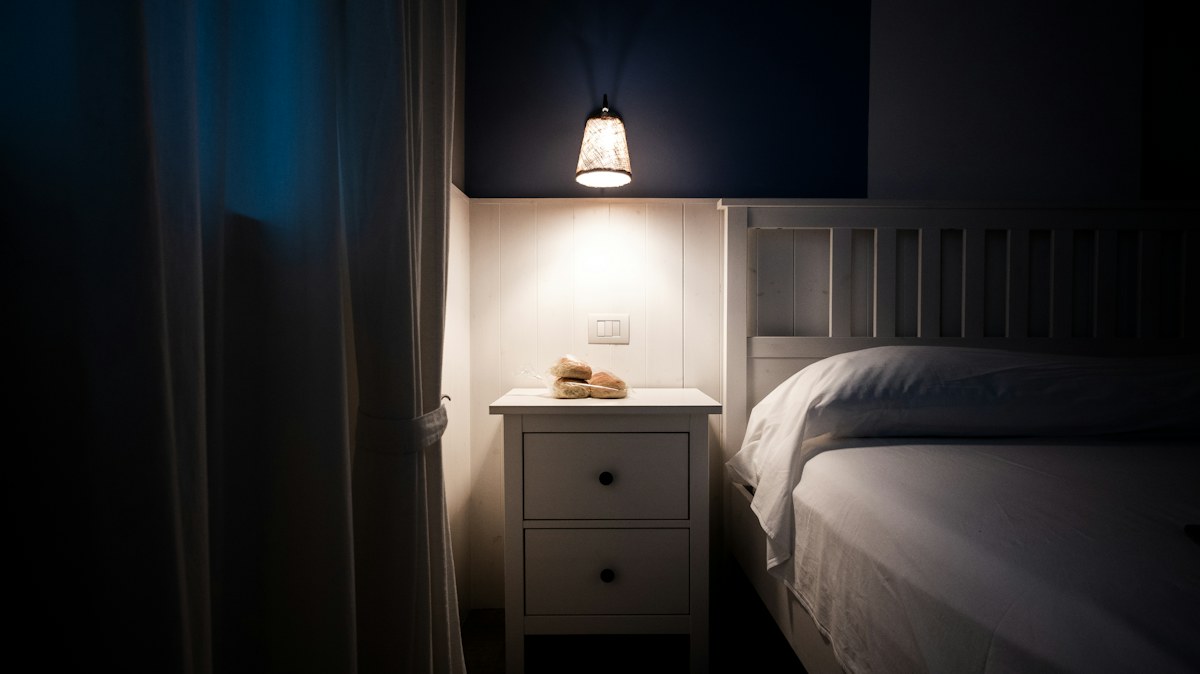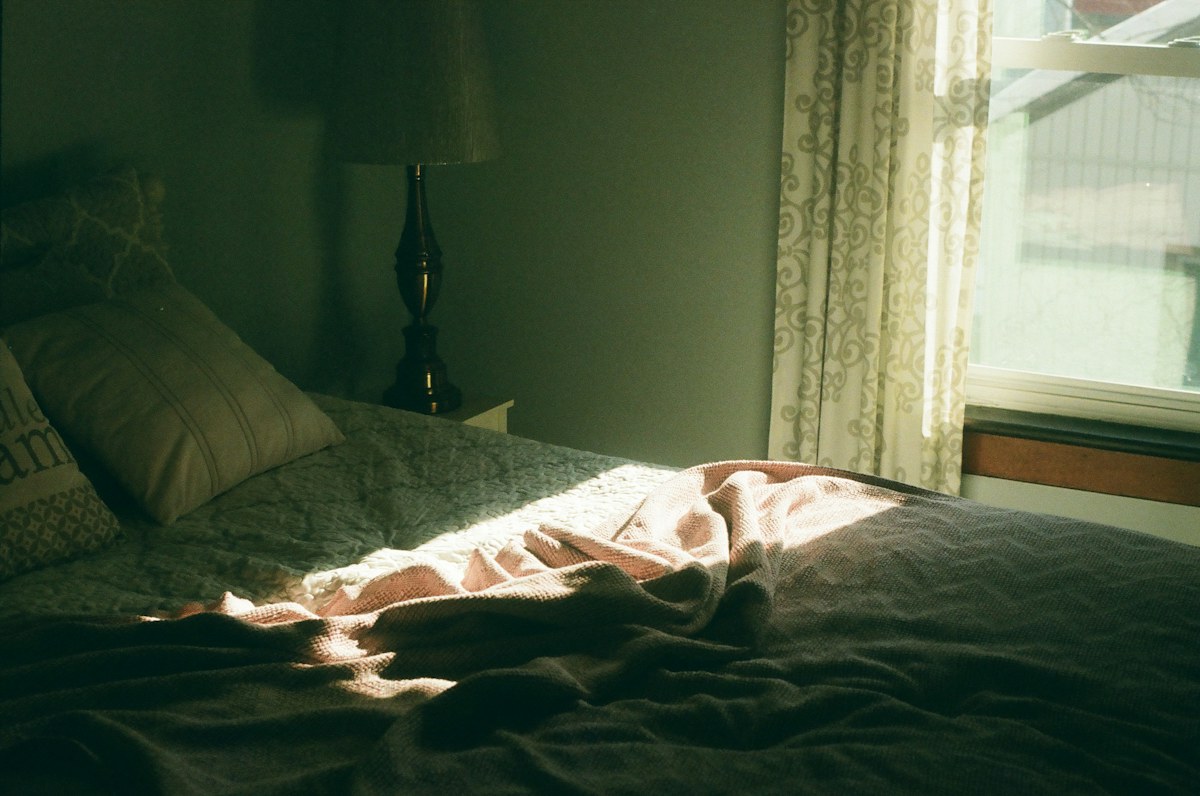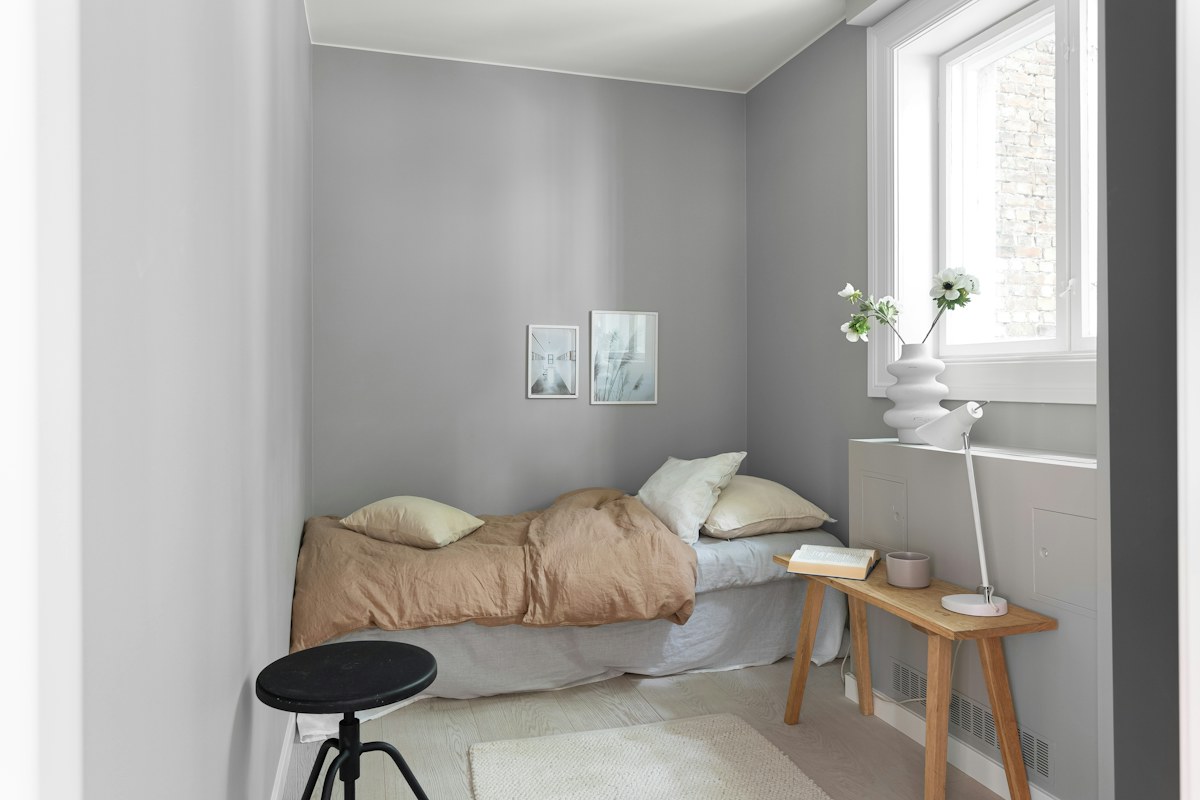
The two sides of a bed do not always need the same furniture. One side may have room for a lamp and a book while the other holds the only path to a window. Two matching tables can look balanced from the doorway and make the mattress harder to reach from both sides. In a small bedroom, it helps to decide what each person needs to do before choosing what will stand on the floor. One useful surface can serve the room if the things it holds can be reached at the right time and the other side remains clear for the movements it has to accommodate.
Walk into the room with the bed made as it usually is. Put a laundry basket or the bag you normally carry at the place where you want to pause. See where the nearest edge of the bed sits in that route. Then look at the position where you would put down a book or switch on a light. The best place for a table may be near the side that gets less traffic. It may also be at the foot of the bed or against a wall if the bedside gap needs to stay open. The layout starts with the direction people approach.
Give the first useful route enough space
Measure from the bedroom door to the side of the bed you use first. Open nearby doors and drawers as they are normally used. Keep required access and clearances available. Note which part of the route gets tight when somebody else is getting ready. A wardrobe may make one side of the bed a useful passage and leave a quieter end for a small table. If a chair or basket repeatedly stands in that passage, decide where it can move before treating the floor as available for anything else.
Walk the route in the light you use after dark. Keep the floor and appropriate access clear, and make sure you can see changes in level and furniture edges. A table beside the bed can be easy to avoid when you know where it is, while someone visiting might not see it. It can help to give the narrow side a clear edge by keeping furniture close to the other wall. Try the route while carrying a folded blanket or laundry as you would on a normal day. The extra width you use while turning will tell you more than a measurement taken from the wall alone.
Try making the bed before you decide where to leave the table. Reach the corners you normally reach and see where your feet have to go. A small gap can be enough for standing close to the mattress and too small for moving around with bedding in your hands. If the current table shifts every time you change the sheets, the work of moving it may be the part to solve. A slightly shorter table or a position farther from the corner can give the bed room to be used without changing the larger layout.
Decide which things need to be reachable from the bed
Write down what you actually use at night. A book, a lamp switch and a suitable place for glasses can be enough. Think about which objects need to be reached from bed and which can wait until you stand up. Place the most necessary items where they can be handled comfortably and safely. In a shared room, do the same for both people. A single table does not serve a second person if it can only be reached by leaning across somebody else. Keep a second suitable place elsewhere for an object that person uses independently.
See whether the room already has a surface for some of the work. A dresser near the door may hold the items you take out of your pockets. A shelf in a suitable position may hold a book you only need to pick up once. Leave enough space for each piece to be used as designed, and follow any securing or loading instructions. If the bedroom has nowhere to put a piece of furniture safely, keep the floor clear and use another appropriate location for those objects. A shared room can have one surface at the bed and a second function on a surface that already exists.
Look at lighting separately from storage. A lamp can be useful if it sits in a suitable stable position and can be reached from the intended place. Follow its electrical and clearance guidance, keeping cords out of routes and away from pinch points. Check whether the room light can serve one person's needs while the bedside lamp serves another. If a lamp occupies the whole table, put other items elsewhere or choose a suitable smaller position for the light. You should be able to turn it on and off without moving objects out of the way.
Choose the size that stays useful beside the mattress
Place a box the size of the proposed table beside the bed for a short trial. Make sure it remains clear of routes and take it away when you finish. Compare the top height with the mattress while you sit normally. A low table can be easy to see from bed and too low to reach comfortably. A high table may be useful while standing and awkward if its edge sits near your shoulder. Find the position that works for the task. It need only hold the number of objects that belong there on an ordinary night.
Check the base and feet. A small top can have wide supports that project into the path. Compare the usable outline at floor level with the space the top occupies. If a wall or skirting pushes the piece forward, include that distance. Think about whether the bed frame needs clearance from the table and whether any drawer or door can open as intended. Follow the maker's stability, support and securing requirements. A table that has room for a cup should also sit where it can safely support the load.
Try the furniture with the usual bedding. A quilt that hangs over the side may need room between the pieces. If it ends up pulled tightly against the table, move the position or change which side uses the surface. The layout should work with the bed both made and ready to sleep in. A slightly wider gap may make it easier to clean around the table and reach the floor for an object that falls. Think about what you do with the room on laundry day as well as how it looks on an ordinary morning.
Make the open side a place that does something
Use the cleared side for the movement it needs most. It may be the easy way to reach the wardrobe or a useful place to stand when changing sheets. Keep it free of things that do not support that purpose. A spare stool that becomes a place to put bags can take away the advantage of having left that side open. Give the bags a suitable destination near the point where they arrive. Then you can keep the area next to the bed available without reminding everyone to move something each time.
Look at how the open space affects the room from the doorway. A clear strip of floor can make the window easier to see or give an upholstered bed a visible edge. If you prefer a sense of balance, look at the color and height of what remains. A curtain, headboard or wall feature can provide a visual relationship across the bed without occupying the floor. Use the existing room to make the comparison. A table on one side may look settled when the objects on it have a clear position and the space on the other side looks intentionally available.
Try the arrangement with another person in the room if it is shared. Let one person approach the table while the other opens the wardrobe or gets around the bed. See whether each has an independent route. If someone ends up standing in the doorway waiting, change the placement while you are still testing. You can leave a smaller surface at one end and make another part of the room easier to use with that change. The useful layout gives both people enough room during the minutes they share.
Check the room first thing in the morning
Walk to the wardrobe, open the drawer you need and put down the first thing you carry. If you routinely use the cleared side, keep that path open. If you instead cross the room to find an item you should be able to reach safely, give it a suitable closer position. Check that the change works after dark and with the bed covers down. A small shift is worthwhile if it helps both the morning and evening routines.
The room can work with one bedside surface when it holds what you truly use and the empty floor serves a clear purpose. Take the measurements again after you have tried the arrangement for a few days. Keep the table where it does the most for the person reaching toward it and leave the other side available for getting around. That gives the bed and the room space to work together.