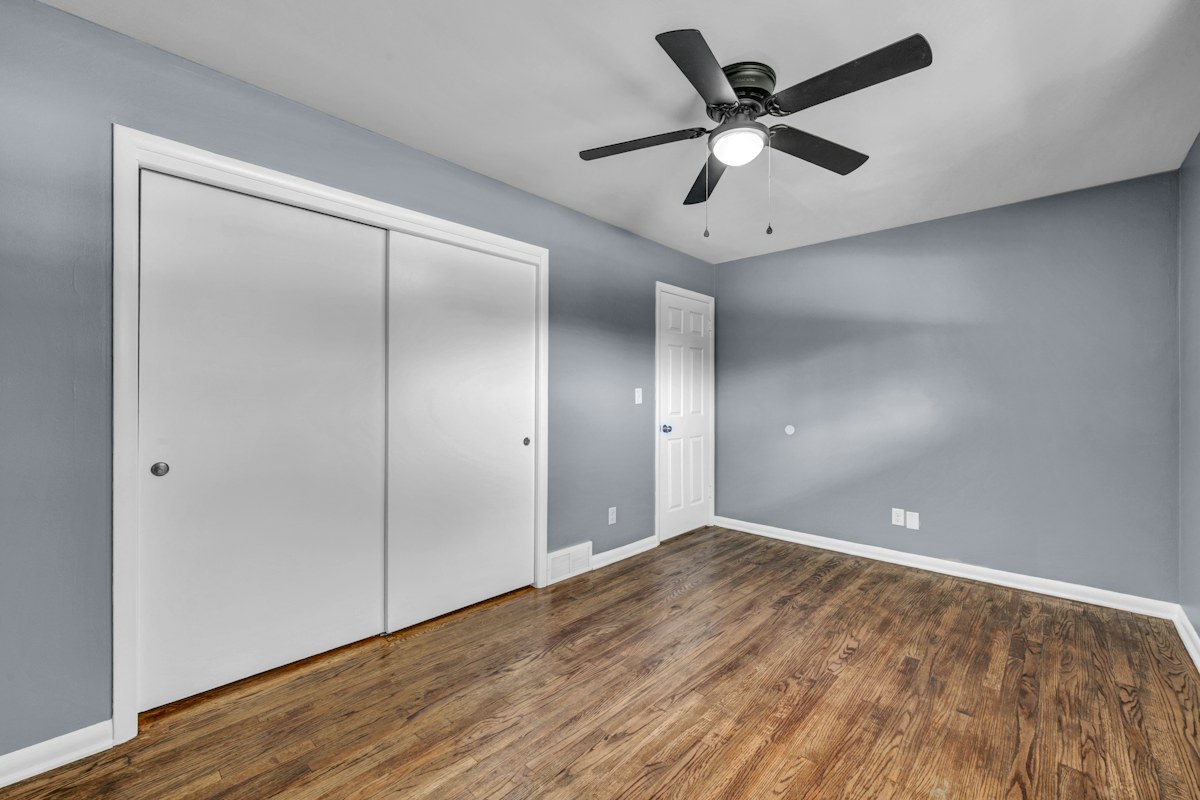
A closet with two sliding panels can look wide when closed. Open it and you may be looking into one half while the other panel covers the very shirt you want. A basket near the center can be easy to see yet awkward to bring out because there is always a door in front of part of it. These are different problems from having too many clothes. They come from putting the objects inside a closet on a map that does not include the doors. A few changes to the way you assign each section can make the space easier to use at the same capacity.
Open one panel and note where your hand goes first. A hanger that you can reach from the edge of the doorway may be easier to remove than one that faces you from directly behind the overlap. An item in the corner may need to be turned before it can come out. Keep these movements in mind as you make a plan. The useful width of a closet is the width from which you can actually lift, turn and remove the things you keep inside it.
Measure what each opening lets you take out
Take the measurement across the clear opening with the doors all the way to one permitted position. Note any handles or frames that project into the space. Then slide the panels the other way and take the second measurement. The two readings may be similar. The layout inside can still behave differently if a shelf ends at the overlap or a hanging rod runs straight through it. Draw the openings onto a simple sketch and shade the strip that is difficult to reach from either side.
Check the space in front of the closet too. A sliding door saves the space of a door swing. You still need somewhere to stand while you reach and lift. If the bed sits close to the opening, see whether you can remove a hanger and turn around without leaning it against the bedding. A basket may come out level until its leading edge meets the side of a dresser. When this happens, test a smaller basket or a position where the basket can come toward you directly. Measure the full withdrawal path before choosing any accessory with a drawer or a tray that has to come all the way out.
Look for things that are already interrupting the doors. A sleeve hanging forward can end up between a door and the frame. A spare hanger hooked over the edge of a shelf may project into the route. Follow the instructions for the doors and their hardware. Keep tracks and clearances free of objects and do not try to force a sticking panel. If something appears damaged or loose, get help from the appropriate owner, installer or repair professional. The storage plan starts after the door can move safely through its normal positions.
Build a regular outfit behind one panel
Try putting together one ordinary outfit using only one side of the closet. Hang the shirts and trousers that often go together in that opening, then look at where any accompanying layers would live. It might make sense to keep a light jacket beside a few work shirts if you reach for them at the same time. A folded item can sit on an accessible shelf on that side if it suits the material and your space. An arrangement that lets you take everything out with one opening is particularly useful when somebody else is getting dressed nearby.
A shared closet can be divided by person if the openings offer comparable access. Before making that division, compare the actual room each side provides. A long coat might fit only beside the left wall, while the right side has a short section above a shelf. Give the harder to place items their suitable location first. For items used every morning, decide where the two users can stand without blocking the other person's path. Two people may prefer to use opposite openings at different times, and a clear place to leave tomorrow's clothes can take pressure off the same early hour.
The opening can also be divided by task. One side can hold the clothes you reach for most often, while the other contains occasion wear or a work uniform with its usual accessories. Treat this as a trial, especially if your routine changes during the week. If you keep sliding the panel to find the same belt or sweater, give that item a place behind the opening you normally start with. The more often it joins a set of clothes, the more useful it is when it can stay in the same reach.
Use the overlap for items that can move sideways
The space behind the overlap can work for hanging garments that slide along a rod. Try moving one garment sideways toward the open portion before lifting it off. If the item has a shoulder shape or an embellishment that catches neighboring pieces, give it a different spot. A few garments that you only use occasionally can sit farther along the rod as long as they can be moved without straining. Leave some room for hangers to shift. Filling the rod all the way to its limit makes it harder to use the overlap as a flexible section.
A wide box parked behind the center may be much harder to remove. If the closet depth is suitable and the shelf can hold it, two narrow boxes may fit in the same area and come out separately. Compare the handles and the shape of the opening with the box loaded. A soft fabric bin may sag once it is full, changing the space it needs. You should be able to take it out with a good grip and return it without tilting over your shoes. Keep weight and the shelf's intended use in mind when choosing what goes inside.
For a closet with a permanent divider, the center of the opening can fall partly across two sections. Use each small area according to how you can reach it. On one side, a narrow stack of folded items may be visible from below. On the other, a rail may be reachable only from a particular angle. Look for space where you can take things out without rubbing them along the panel or removing two other objects first. A few inches of uncovered shelf used well can be worth more than a larger strip of shelf you rarely get to.
Keep the floor useful when the doors are open
Put shoes and other low items in the path your hand can reach. A row directly under the overlap may look neat from the doorway and feel impossible to use from a standing position. Try placing the pairs you use daily near one edge, where you can set them down after taking them off. If you want to use a shoe rack inside the closet, check that you can still see the pair at the back and that the doors clear the rack when all the shoes are in place. Projecting heels and boots take extra room.
Clear the area around the track according to the door maker's guidance. A bag on the closet floor can have straps that fall into an opening even if its body sits well inside. Fold or tuck the straps so they stay away from moving parts. Think about what you carry when you return the bag. If you use it every day and it has to be lifted around a row of shoes, give it a different place. The floor area becomes easier to maintain when each regularly used item has enough room to come out in one motion.
Look at the closet in its usual light. Sliding one panel can cast a shadow across the lower shelf. Put items you need to identify quickly where the room's light reaches them, or use suitable closet lighting according to its specifications. Make sure all installed items and wiring keep the clearances required for the door and storage. A pale bag in a shadow may be easy enough to recognize, while several dark pairs of shoes together can look alike. An open position that gives you a good view can make a difference every morning.
Check the space in a normal week
Use the closet for a few days and notice which items require a second opening. If you consistently retrieve a cardigan after closing the first panel, bring it closer to the other clothes you wear with it. If you have to shift a folded bin before taking off a hanger, swap its place with something you access less often. Make the change when you next put away clean clothes. Each adjustment should make a specific daily move shorter and leave the panel free to slide.
When the layout works, you can identify the side you need, move one door and reach the things you planned to get. The portion behind the center can still hold clothes that slide sideways or light items that come out individually. Give the panels a clear path at the end of the day. The closet will keep its full width on paper, and each opening will serve the person standing in front of it.