On a weeknight, a pantry often needs to answer one question. Is there enough here to make dinner? When cans are sorted by size and packages by color, you may still have to look in four places before you can answer. A tin of tomatoes on one shelf, pasta on another and a bag of lentils behind the cereal can be individually easy to label and collectively hard to use. The most helpful arrangement may begin with the meals you actually make. A few familiar ingredients in a reachable spot can make the shelf easier to read without moving every packet in the kitchen.
Choose three meals you prepared recently. Think of the first things you took out and what you had to find later. In one kitchen, those meals may be pasta with tomato sauce, rice and chickpeas, and soup with beans. In another, the relevant grouping may be noodles, dried mushrooms and the condiments that go in the broth. Keep packages according to their storage instructions. The goal is to recognize a usable set of ingredients quickly, and some of that set can live nearby instead of on the very same shelf.
Follow one familiar meal through the cupboard
Take the ingredients for a regular meal out of the cupboard without preparing anything. Set them on a clean counter in the order you use them. You may pull out a can of beans and then spend a minute finding the remaining bag of rice. Make a note of what required a second look. A package that disappears whenever it is half empty is a candidate for a different place. A bottle that has to travel a long way to the counter may need to move closer to the rest of the meal if the location is suitable for it.
Look at the ingredients that belong in several meals. A neutral oil may be used for nearly everything, and a tin of tomatoes can work with pasta, beans or a soup. Give the frequently shared item one home that is easy to reach. The cupboard can hold meal groups without requiring several copies of each shared ingredient. Put the tomato cans at the front of the shelf where you see them first, for example, and group the pasta and rice in positions that are easy to read from there. A wide shelf can work with the left side for grains and the right side for cans, as long as you can see both at once.
Decide which groups you could use to solve a busy night. A shelf with a few staples can answer a meal question even if fresh items come from the refrigerator. Make sure the shelf shows the ingredients you already rely on. If nobody cooks dried lentils during the week, putting them at the front because the bag fits well will not help your fastest dinner. If a small packet of tortillas gets used every time somebody comes home late, give it the place it needs and store it as directed. The useful shelf follows a habit that already exists.
Make the back row readable
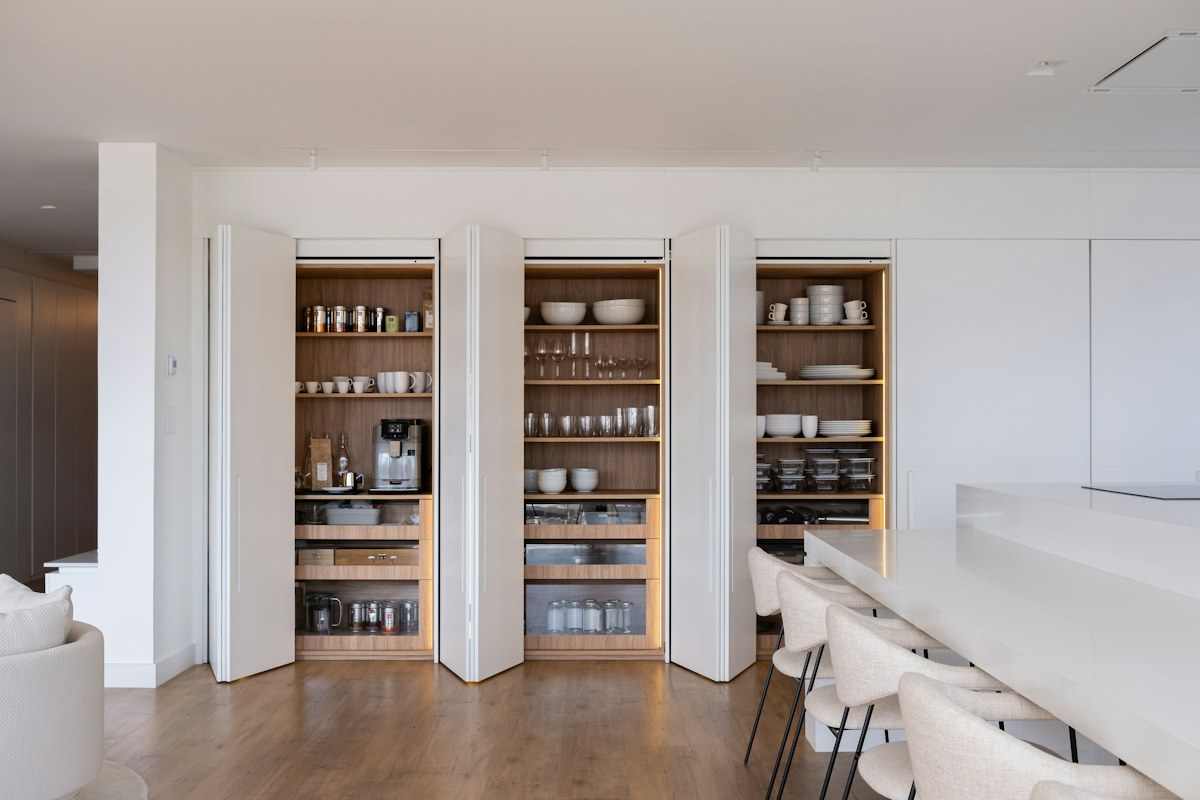
Stand at the pantry door with the shelves in their usual light. See what you can distinguish without moving anything. A row of identical cans facing sideways may be difficult to read even if the organizer is new. Turn the useful labels out. Put a second unit of the same food behind the first when it fits safely. If the front item can be replaced from the back, the depth of the shelf becomes storage you can use. When different kinds of cans need the same spot, a shallow tray that comes out easily can be easier to read than a long line reaching to the wall.
For a high shelf, look at the underside of any basket or bin you would use. An item above eye level might be visible only when the container can be brought down safely. Choose a lightweight container suitable for the load, and place heavy objects lower where you can get a firm hold on them. Keep shelf and storage limits in mind. If a bulky bag is awkward to lower even when you know exactly what is inside, it needs another place. The tall shelf can still hold a few light things that are used occasionally. Give them a front position you can identify from below.
Pay attention to package shapes as they change. The full bag of pasta may stand up on its own, while the last serving falls flat and disappears behind a cereal box. A small shallow bin can hold several partial packets upright enough to see. Keep the packaging or relevant label information with the contents and follow the product directions. If you use a new container, make sure it is appropriate for food, clean, dry and easy to close. Choose a container you can look into or label clearly. A row of containers helps only when somebody else can tell what they hold without opening each one.
Keep the oldest package easy to choose
When groceries come in, put the item you expect to use first at the front of its place. Check the package and the manufacturer's storage instructions as you do this. It helps to have a little room in the row so you can move the front package without unloading the shelf. If the spare will have to lie sideways behind an appliance, consider whether you need to buy it before the current one is finished. The volume of storage needed for the second packet of an ingredient can be surprisingly different from the volume needed for the first.
Use the same place for an item if several people shop. A second bag of flour may get opened because it seems easier to reach or because nobody knew the first was there. Put the current bag in a clearly visible spot, with the spare behind it if you keep one. Where opening dates matter, make them easy to read and follow storage guidance for the specific product. Do not rely on appearance alone when deciding whether a damaged or questionable package is safe to use. If an item arrives with a leak or a damaged seal, seek the store or manufacturer's guidance.
You can treat a partly used ingredient as an invitation to plan the next meal. A small amount of couscous might be just right for lunch, even if it will not feed the whole table. Move it into view where you normally decide what to make. If moving the package would take it away from appropriate storage, write the name on your meal list instead. Either way you give yourself a chance to remember the useful quantity before buying another one. This works well with ingredients you already enjoy. An unfamiliar specialty packet may need a recipe or another purpose before it will be used.
Leave room for the person who puts groceries away
Set out a grocery bag beside the shelf and see how much has to move. If you have to remove two bins before a can goes into place, the arrangement probably needs a shorter route. A single useful label such as “pasta and grains” may work better than a separate mark for every shape of noodle. Keep labels where somebody can read them with the cabinet open. If the shelf is partly covered by a hinge or door, put the label where it still makes sense from the usual standing position.
Ask the person who uses the kitchen at a different time what they regularly reach for. A breakfast item in the middle of the dinner shelf can interrupt someone every morning if it is difficult to reach. Put it in the part of the cupboard that is easiest to approach at breakfast. If two people normally prepare food at once, look for a place for everyday staples that can be reached without squeezing past a hot work area. A shelf that makes sense to one cook may need to make room for the second person's usual path.
Keep an empty area roughly the size of a grocery bag's worth of dry goods if you have space for it. It gives you somewhere to set down a few items while you make room and verify what is already open. The opening can also hold an ingredient that is only in the house for a special meal. Once the meal is over, decide whether the item belongs with the foods you regularly use. Leaving room for occasional change is easier than rebuilding a tight arrangement each time you buy something new.
Look for what you can see at dinner time
After a week, open the cupboard just before you would normally start cooking. Notice what you can identify at a glance. If the front shelf gives you a clear choice of two meals, the organization has already done something useful. If the ingredients you reach for still live behind other things, move the everyday items forward and give the occasionally used items the space farther back. Change one shelf at a time so you can see whether the next meal feels easier to start.
A pantry does not need to look the same from one week to the next. Some ingredients disappear because you finished them, while others occupy a temporary spot after a large shop. Keep the names you use for the shelves broad enough for this movement. Return to the meals that actually happen in the room. When you can find a starting ingredient, see what goes with it and reach both without unloading the cupboard, the shelf has given you a practical answer to the question you opened it to ask.