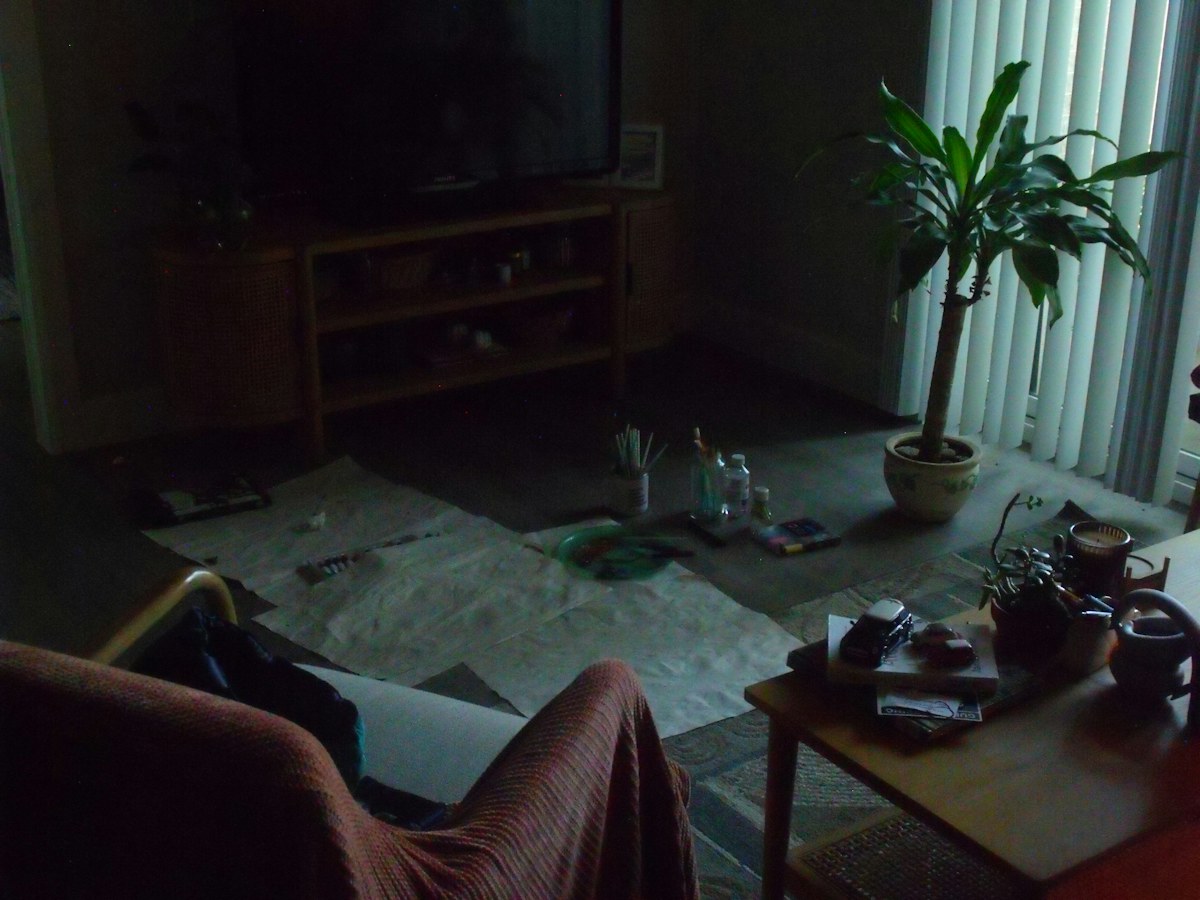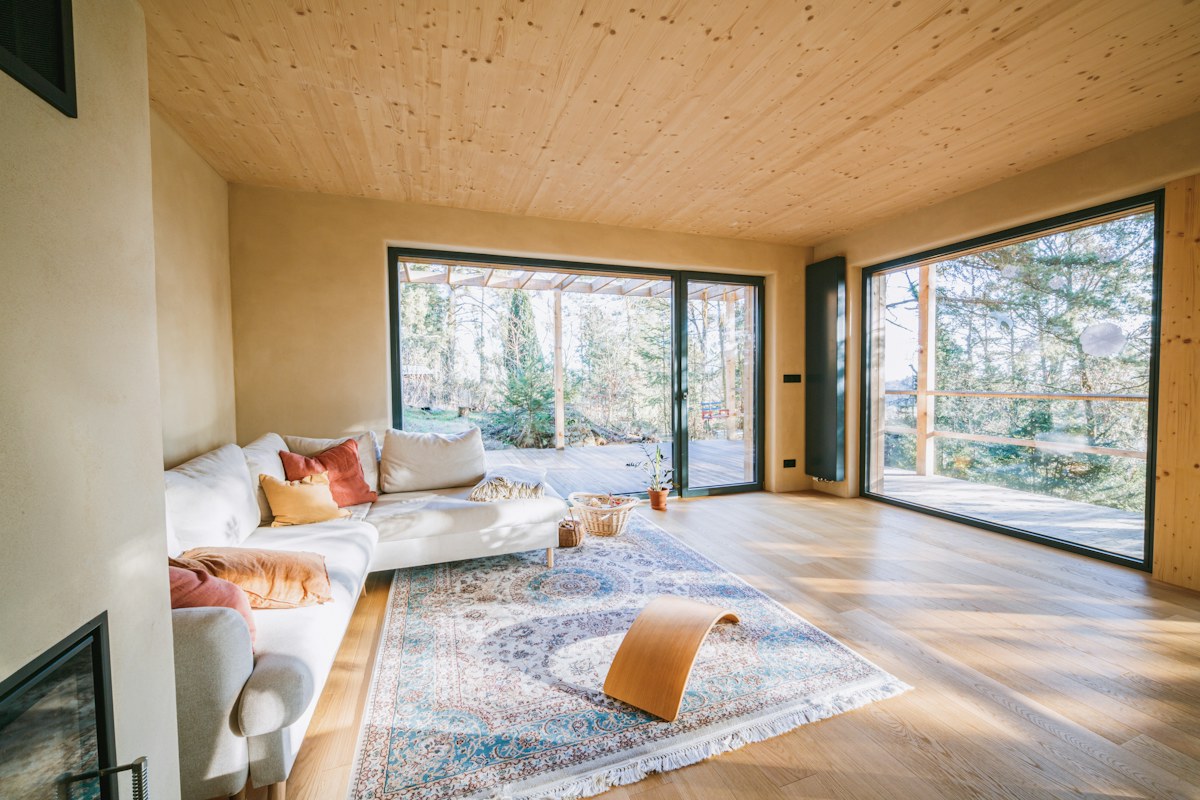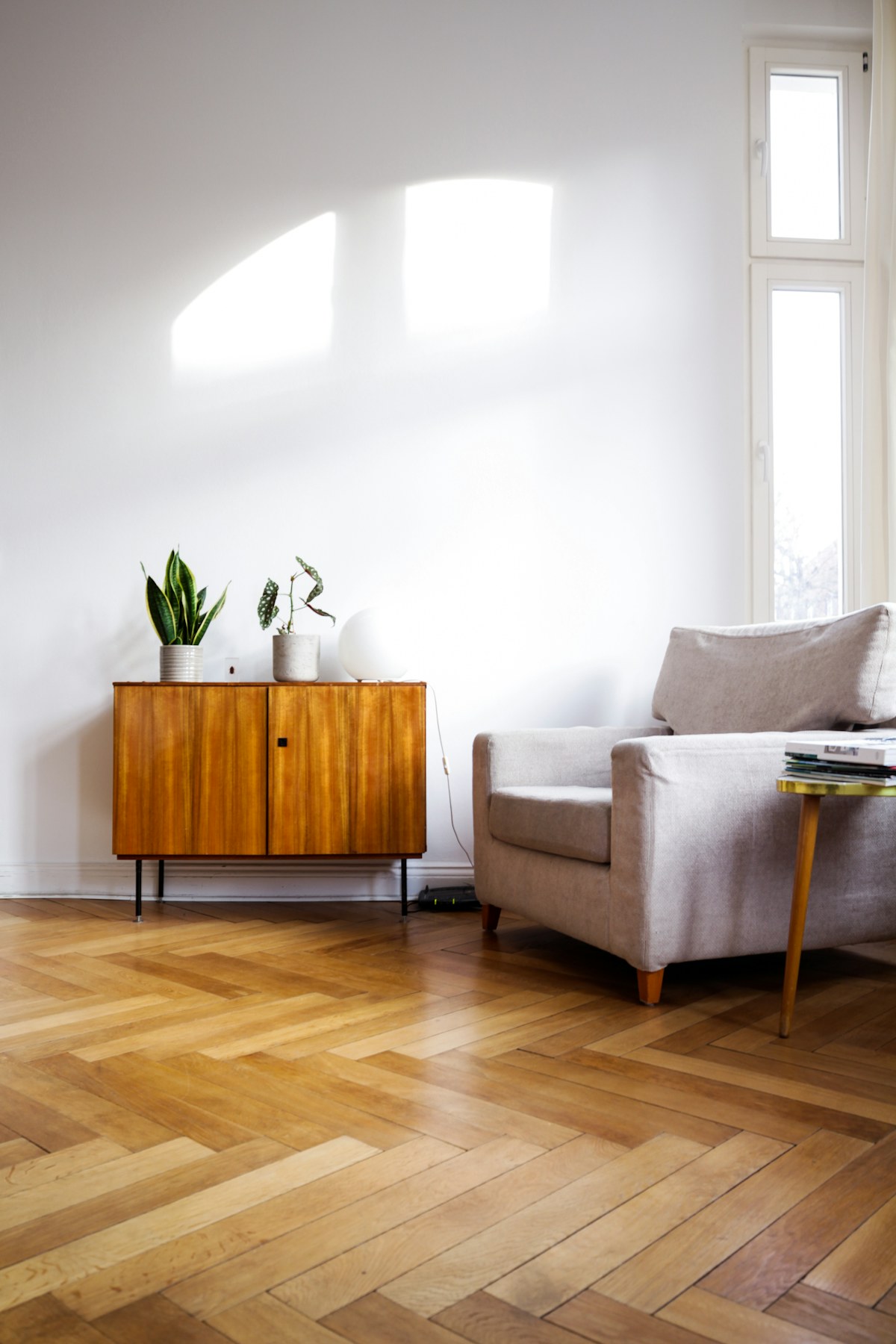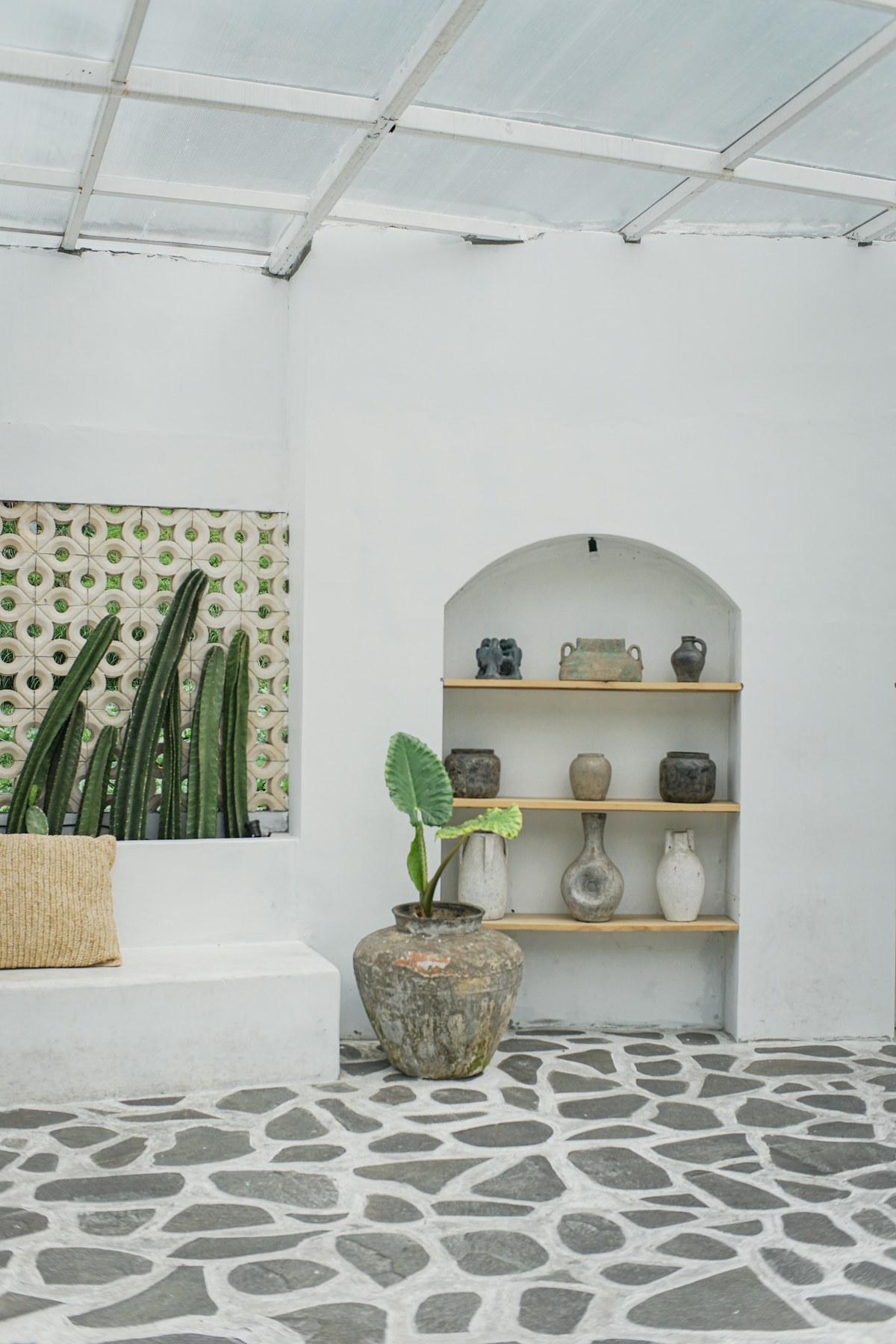
A plant can make sense in a corner for a photograph and have a difficult time there once the curtains are closed. The chair that keeps the plant out of the walkway can also be the chair you have to move every time you water it. Before choosing a big pot, look at the corner while the room is being used. Find out where the daylight reaches, what gets opened and how you would get a cloth or watering can close enough to work. A slightly different position can make the plant easier to care for while leaving the corner available to the people who use it.
Choose the part of the room you want to improve. An empty corner beside a sofa may look unfinished, but the best part of it could be the window-facing edge. A plant that stands there can still be seen from the doorway even if its pot is several feet from the point where two walls meet. Think about the plant's needs and the route to it before filling the space as a rectangle. One open side can give it better access to light and give you enough room to look at the leaves.
Watch the corner with the usual lights and curtains
Look at the place in the morning and afternoon. Note when daylight reaches it and when the nearby furniture casts a shadow. A large bright window can still leave a far corner dim. A window facing another building may receive a short patch of direct light and a longer period of softer light. Compare the conditions at the spot where the leaves would sit rather than at the glass. If the people who use the room normally close the curtain in the afternoon, include that habit in the observation.
Read reliable care guidance for the kind of plant you are considering. Check that the available light and conditions suit the particular plant, including where relevant whether direct sun is appropriate. A leaf that tolerates a lower level of light still has its own requirements. If you cannot provide a suitable position, keep the proposed corner open or choose another place in the room. It may be easier to put a smaller plant in good conditions than to move a large one every time it needs something different. Check how the conditions change when the window is opened or the heat comes on.
Think about the pattern over a year if you expect to keep the plant in one position. The sun can reach a different part of the floor in another season. A heater that makes no difference in summer can change the air beside a plant in winter. Decide whether there is another suitable spot you can reach if the plant needs to move. Leave the planned container light enough to handle as intended, or arrange help when needed. A position you can adjust gives you time to learn how the plant and room respond together.
Make room around the full shape of the plant
Measure a possible pot and imagine where the widest leaves would end up. A plant may fill more space at shoulder height than it does near the floor. Hold a paper outline at the point where you expect to see the leaves. Open the nearby door, sit in the chair and walk past the corner. The pot can stay inside its outline and a stem may still reach into the route. Leave room for growth according to the plant's likely size and the care you are prepared to give it.
Look at the view from the places people sit. A plant beside a lamp may cast a shadow across the person who reads there. If leaves touch curtains or a piece of furniture, move the proposed position until they can sit freely. Keep plants and water away from electrical equipment and allow the clearances required around heaters and fittings. A tall plant near a low window can occupy a view you meant to keep. A smaller pot on a suitable stable surface can give a different view while leaving the floor open. Check the weight and stability of the surface and the container, especially when filled and watered.
For a home with pets or children, check the plant's suitability and safe access. Verify pet safety with a reliable veterinary or animal welfare source if an animal can reach it. Choose a stable container and a position where the plant and its materials can be kept appropriately. Some pets can reach shelves you would not expect them to use. Look at the route from the nearest chair, table or window. A small plant in another room may be simpler than trying to make a favorite corner serve a purpose it cannot safely accommodate.
Decide how to water without losing the floor
Use a container and drainage arrangement suited to the plant. Consider how you will reach the soil, see what is happening and keep moisture off the surrounding surfaces. A saucer or suitable liner can help protect a floor if it fits and can be checked. Follow the plant's care guidance and avoid leaving it standing in water when that does not suit it. Give the drainage setup enough room to be lifted or wiped. A container you cannot inspect may hide the exact issue you would otherwise notice before it reaches the floor.
If you want to water at the sink, try the route with an empty container of the intended size. Think about how much heavier it will be in use. A small plant can often be moved easily as directed. A large one may need a suitable watering arrangement in its usual position. Take this difference into account before choosing the pot. Put the items you use for care in a place you can reach without dragging a full watering can across the room. Keep the route free of cords, rugs with raised edges and small objects you might miss while carrying something.
Choose a position where you can get to both the plant and the floor. Dust and a fallen leaf can collect underneath. Make sure you can see that area and clean it as needed. If you need to move the container, do it with appropriate help and according to the furniture and container directions. Use floor protection suited to the floor and the actual weight. A wheeled stand should be designed for the load and used on a suitable surface as directed. The useful room around the pot can be more valuable than a second decorative container filling the same corner.
Let the leaves do one visible job
Consider whether you want the plant to soften a hard corner, add a view beside a chair or fill part of a broad wall. Pick one effect you can see from the room. You may find that leaves make a nice edge near a bookcase without needing to cover the wall behind it. Use the height of the plant to suit the view. A plant low to the floor may be easy to see while sitting, while a taller one occupies more of the view across the room. Compare those positions with the leaves or a temporary outline in place.
Take the room's other finishes into account when choosing a pot. A pale container can be easy to spot against a dark floor, which matters if a person walks close to it. A plain material can let the leaves have the most visible shape. Check how the pot meets the saucer and whether you can remove one without moving the whole arrangement. An outer decorative pot can be useful when it suits the way you handle drainage. Treat the appearance and the watering as parts of the same decision.
Leave room to see the whole plant if you can. Turning a container or checking the back of a leaf may help you notice a change and follow the right care advice. A plant placed tightly behind a chair can be hard to inspect. If you prefer the view from that position, try moving the chair enough to give you a hand's worth of room and recheck the path. You may find that the plant has a stronger presence when a little open floor remains visible beside it.
See what the room and the plant are doing
After a few weeks, compare how the plant looks and how often you need to move it out of the way. Follow care advice for any change you notice. Look again at the light when conditions change, and see whether people are using the route you planned to leave. If somebody routinely pulls the pot aside to open the window, clear that area and test another suitable position. If water is hard to reach, simplify the container or change how you bring it to the plant. Each adjustment should solve a problem you can see.
A living room plant can sit at a comfortable distance from the exact corner and still give that part of the room a softer shape. Keep the spot where the leaves can get suitable light, the pot can be handled and the ordinary movements of the room still work. A plant you can see and look after is a better use of the space than a pot chosen to fill every inch of it.