Look at where the room gets wet
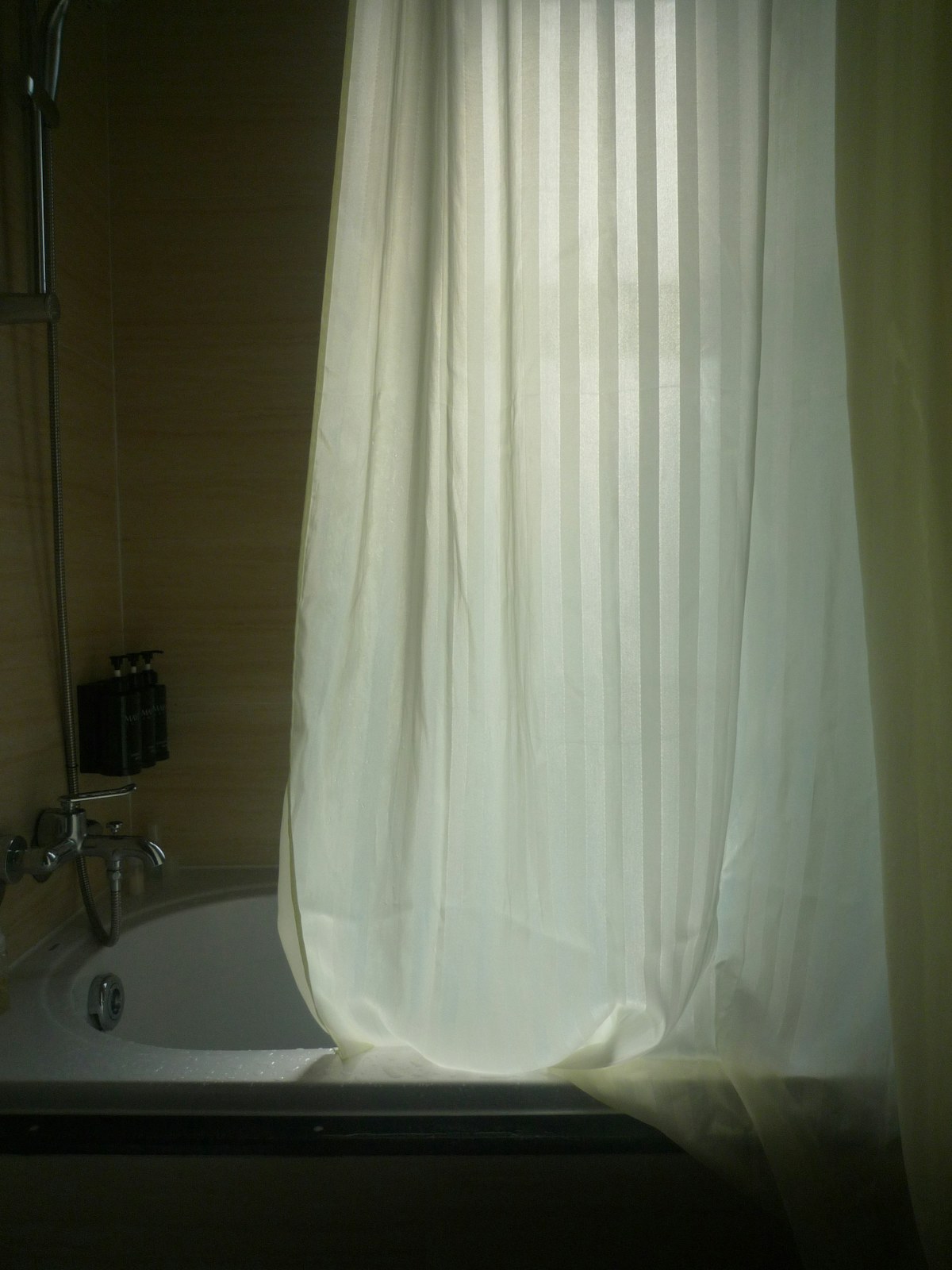
A bathroom shelf can keep supplies at hand, but the first place with room for a shelf may be the first place where a towel gets splashed. Leave the room as it usually is after a shower. Look at the floor and walls before you wipe them down. Check where the shower curtain drips, where water reaches the vanity, and whether there are marks where wet hands find the light switch or door handle. The room has a pattern of wet and dry areas that is easier to see when it has been used.
Open the shower curtain or door and stand where you usually dry off. Lift a towel with both hands and see how far your elbows travel. A shelf that seems clear while the bathroom is empty might occupy the same space as a shoulder when you are getting out of the shower. Check the toilet lid and any cabinet door that opens upward or out. Try the position with a cardboard box held at the intended depth before buying anything.
If a shelf has to live in a damp area, give it things that can tolerate that location and make it easy to wipe. Keep spare paper products, folded dry towels, and items whose labels specify dry storage in the driest available place. A small bathroom can be very different from one end to the other. Try putting an ordinary dry cloth where you would store towels and seeing what happens after a normal shower. If the cloth repeatedly feels damp, that position is better for a different purpose.
Measure the objects that are meant to go on the shelf
Set the three things you reach for most often side by side. A roll of toilet paper, a washcloth, and a small basket can tell you how deep the shelf needs to be. A tall bottle may need clearance above it so you can lift it out without turning it sideways. A folded towel needs room for the fold itself and enough space to put your fingertips underneath. Measure those clearances with the objects you already own.
A shallower shelf can make the room feel more open. It also gives less room for items to creep behind other ones. Put larger packages in another storage area if you only need one at a time in the bathroom. A single box of tissues is manageable on a narrow shelf. A second box might belong in a linen cupboard if it makes the first one harder to take out. In a small room, the shelf has done enough when it holds what someone needs between trips to the other storage space.
Use a cardboard template to check height. Hold the front edge where it will sit, then have somebody reach for the light switch, lean over the basin, and stand up from the toilet normally. Try reaching for a towel while seated or with one hand if anyone in the household needs that access. If you are measuring alone, tape the shape to the wall and put something light on a separate surface to represent the front edge. Do not ask anyone to test a temporary shelf by putting weight on it.
Check how the edges look when you see them from the doorway. A shelf behind the open door can disappear as you enter and then come into view once you close it. That is often a good place for an item you use in private, but awkward for something you need to grab while passing the room. Keep the routine in mind when two positions have almost the same dimensions. The better one may be the shelf you can see at the moment you reach for it.
Decide what belongs in view
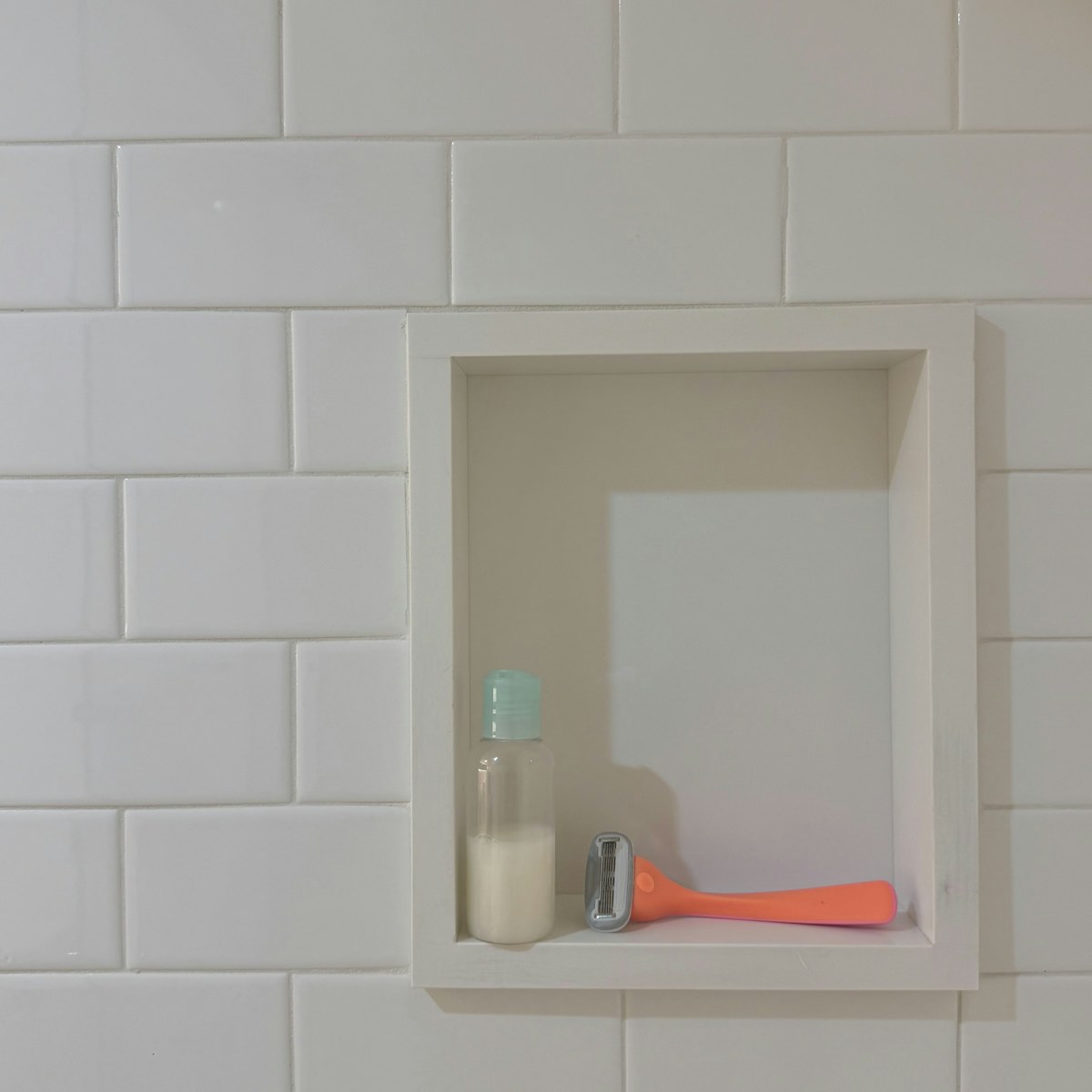
Put things used each morning where they can be seen and reached in the order you need them. A small tray can keep two or three items together, especially if they tend to roll. Leave enough room to lift the tray when wiping the surface. A second tray can work when two people share the shelf and reach from different sides. Give the other person room to take out one object without removing the entire tray.
A basket works well for light items that do not need to be identified individually, such as washcloths. Use a container where the bottom and corners can dry after cleaning. An open basket can show you when you are about to run out of clean cloths. A solid bin might be easier to wipe, but it works best if you can see into it or carry it out to check the contents. The most convenient container often has room for a few spare items, with the larger stock kept elsewhere.
Keep personal items, medicines, and supplies that need specific storage conditions in a suitable location according to their instructions. Open shelves are easiest to use for ordinary things you would be comfortable leaving visible. A small cabinet or separate storage area can hold the rest. Put heavier or breakable items where there is little chance they will be pulled down during a rush.
Check the wall and the shelf before making a permanent change
Identify the surface and look at the shelf maker's instructions before you choose a mounting method. The anchors, load limit, and spacing depend on the product and the wall. Bathrooms can have pipes or wiring behind their finished surfaces. If the mounting location or suitable hardware is unclear, ask a qualified installer. A ledge that needs a different wall than the one you have is a poor fit even if its size is perfect.
A freestanding unit is another possibility when the floor is level and there is a place to put it outside the walking route. Check that the unit is suitable for bathroom conditions and follow the manufacturer's instructions, including any required stability measures. Measure with the bathroom door fully open, then check what happens when the bottom shelf is loaded. Feet or rails near the floor may stick out farther than the usable shelf above.
If you rent or only want to test the position, reorganize an existing shelf first. Move the dry things to the best spot and give a single basket to the supplies you use most. It may turn out that you need more room somewhere else, such as a shallow tray next to the sink, rather than a new shelf. The trial shows whether you want to change the location, the depth, or simply what is stored there.
Arrange for daily cleaning rather than display alone
Leave a little space at one end of each shelf. You can slide a tray into that space, wipe the area underneath, and move it back. The same space makes it easier to pick up a container whose sides are close to its neighbors. If each object has to be lifted before you can clean one corner, the shelf is probably too crowded for everyday use.
Look at the shelf after a full week. If one bottle is always left wet, put it somewhere that can be wiped readily. If a basket blocks the view of smaller items, trade it for a lower container or move it one shelf down. Try returning clean towels with the fold outward so you can pull one away easily. If you have to straighten the entire pile every time, reduce the number on display or split them into smaller stacks.
Notice how quickly everyday objects accumulate. A few hair clips, a spare soap, and a partly empty packet can fill the shallow ledge that looked ample at first. Clear the shelf one section at a time and return the objects people routinely reach for. Put the rest in a sensible nearby location. A ledge with a small amount of open space is more useful the next time somebody needs to set something down.
Choose details that suit the room you already have
Use the shelf finish and containers to relate to a visible feature, such as the frame around the mirror or the color of the wall. A muted container can make the colorful labels inside seem quieter. A dark tray on a light shelf can help show where a small object goes. Try a towel and a basket together in the bathroom's usual evening light. Their colors can look quite different in a shop or beside a bright window.
Repeat one material if several shelves are visible at once. Two containers with similar finishes can make an arrangement feel deliberate, even if one is taller and used for towels. Choose their dimensions first. A basket that is hard to lift will remain hard to lift after it matches the other one. If you already have a plain tray or small bowl that works, use it for a week before deciding how much visual change the room needs.
Finally, walk through the routine that prompted the change. Come in, reach for a towel, and clear the basin after use. The shelf should make one of those actions easier without making the doorway or the wet area harder to use. Keep the arrangement that dries between uses and leaves the surface simple to wipe. Add anything else only when there is a real place for it.