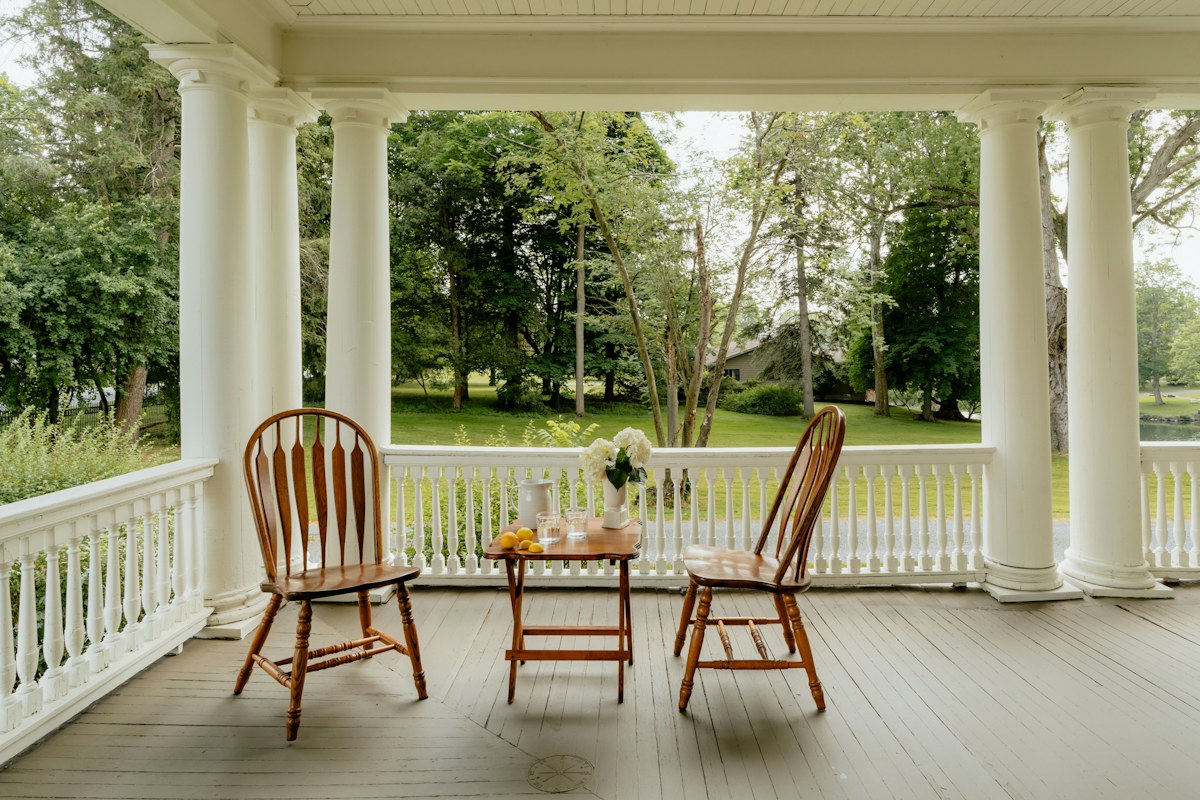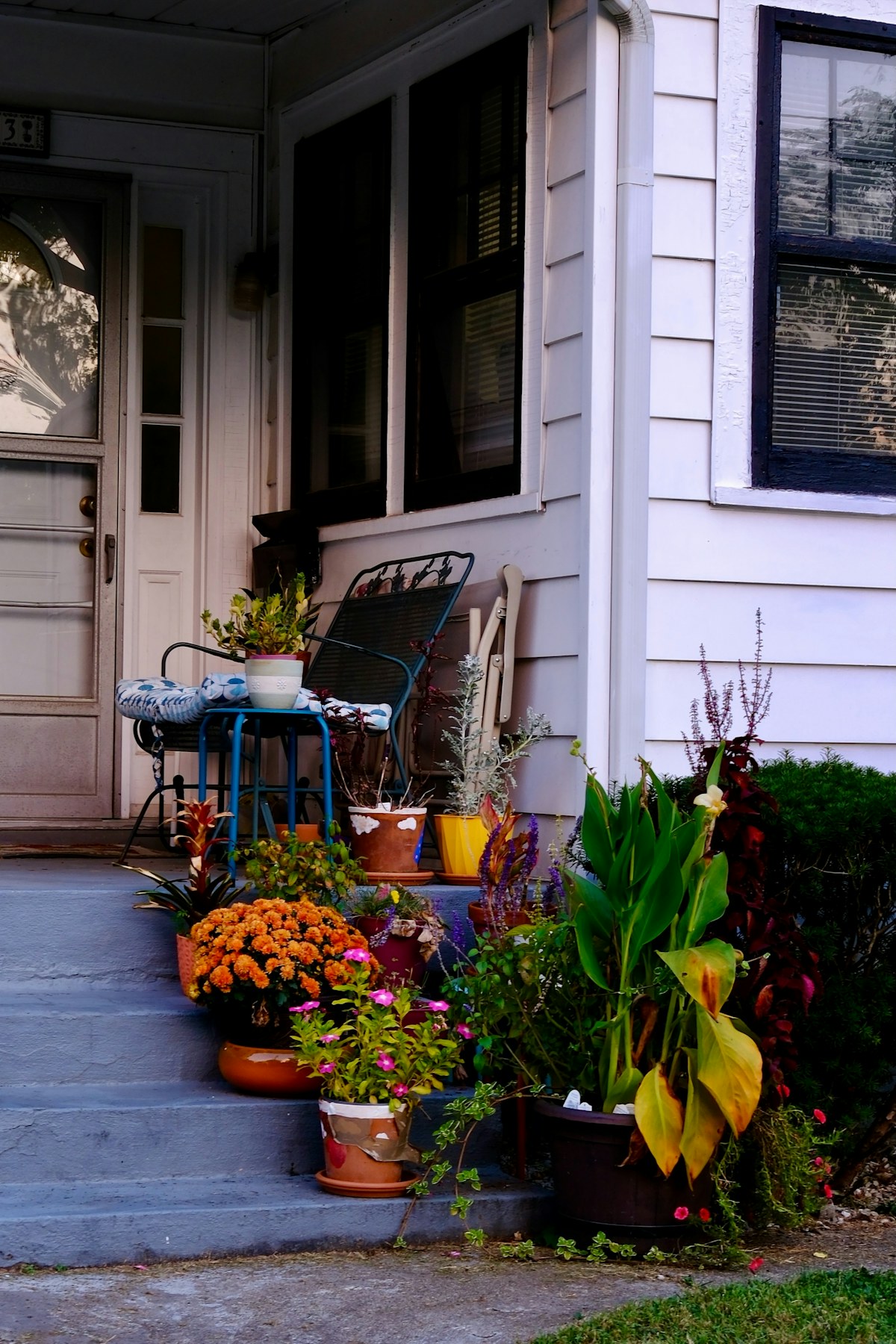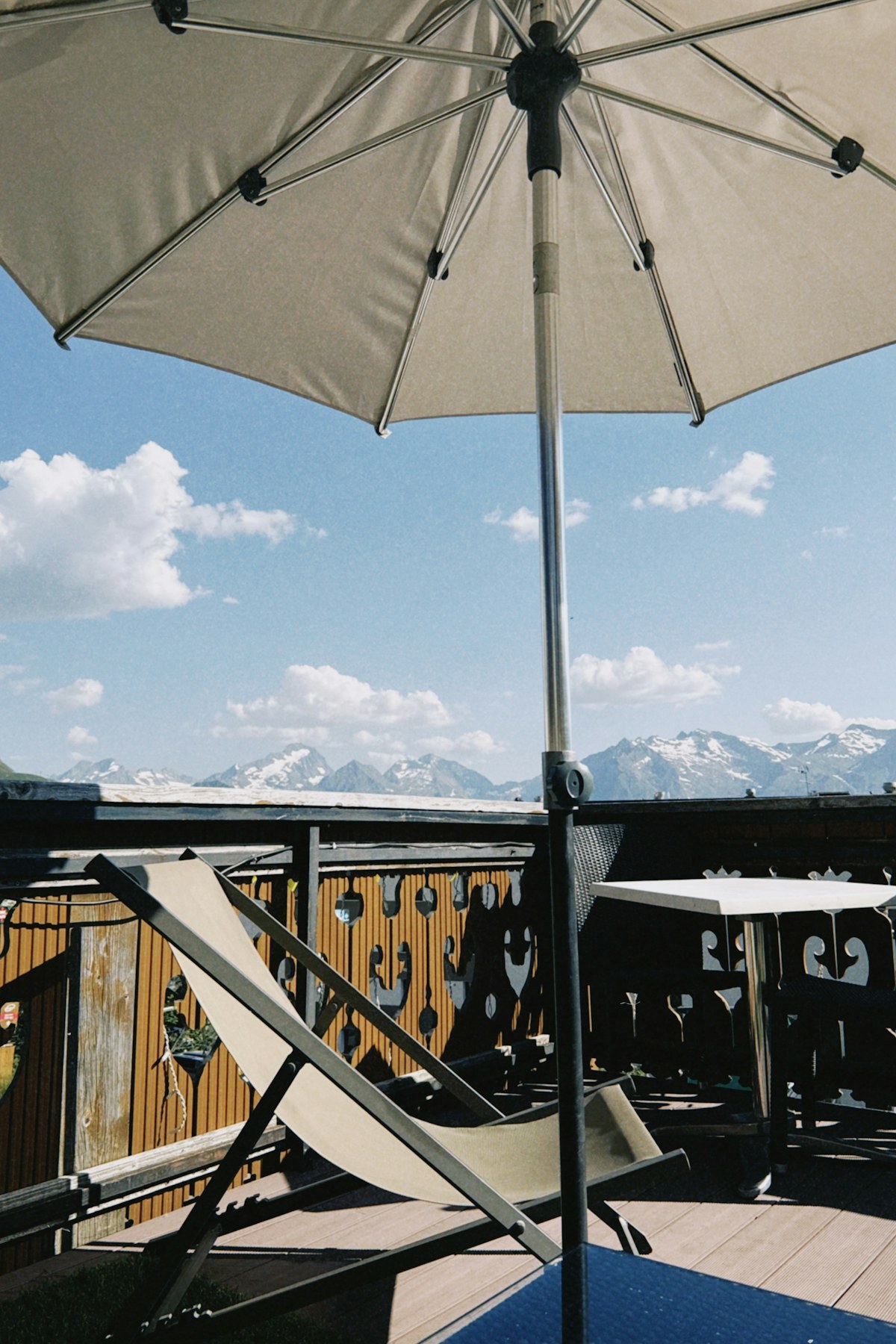
The photograph of a balcony chair usually shows it empty. You see the rail, the view and perhaps room for a small side table. What the picture leaves out is a pair of feet, the space a person needs to stand and the way the door opens while somebody is seated. Test those movements before ordering. A compact chair that can stay where you use it can be worth more than a larger chair you can only open by moving everything else. Decide what you want to do outside and measure around that activity.
Take a few minutes at the time you would like to sit. If you usually take a short break there after lunch, think about the way you come out and what you bring. If you want to read for an hour, consider where your feet and arms will be after the first five minutes. Look at the view from roughly the height at which you would sit. A different angle may make a small part of the balcony useful. The spot should still give you a clear and appropriate way back to the door.
Measure the chair in the positions you would use
Get the manufacturer's dimensions for the full chair, including its feet and any projecting arms. If the product reclines, check the dimensions in the position you expect to use, as well as upright. A back can extend farther than the base when it moves, and a leg rest may take up the place where another person normally walks. Draw both outlines or mark them with paper. Keep the chair within the space and clearances allowed by the building and the manufacturer. The full movement matters more than whether the product fits in a single stationary position.
Walk around the outline as you would when leaving. Open the door to the position you need for normal use. If the door or a window swings outside, include the handle and the full sweep. Find where you would stand to get up and where somebody else could pass. Give any required access or escape route its full space. A proposed chair that fits with all openings shut can still take away the movement you use most. Shift or shorten the outline until the ordinary route works, then compare the result with the stated product dimensions.
If the balcony is shared, try the arrangement while another person uses it. The second person may water plants or reach a drying rack while the first is seated. Work through a normal trip with the usual objects in place. If the route only works when the chair is turned sideways, consider a smaller fixed position or a suitable folding chair that stays stored until needed. Choose the one you can use without restricting the required access. The balcony can hold more than one activity when each has somewhere to happen.
Choose a seat you can use comfortably
Try a similar chair in a suitable location before committing to its shape. Sit as you would outside and get up at a normal pace. A very low seat may suit a short rest for one person and be hard for another to leave. An arm can give a person a useful place for their hands if the chair is designed to provide that support. Check the maker's use and load instructions. A back that seems comfortable at first can feel too far away if your feet cannot rest securely. Take the people who will actually use the chair into account.
Think about how you hold a book, cup or phone outside. A deep seat can be comfortable to recline in but leave you leaning forward to reach a small table. Test a similar height and distance while seated. A separate suitable side surface may fit near an arm and leave the space in front clear. Look at the table's base as well as its top. Avoid putting an object where the next person will step or where it could fall or blow into an unsafe position. One secure place to set down a cup can be enough for the way you use the chair.
Check the chair on the actual floor. Use it only where the surface is suitable and the feet remain fully supported and stable. See whether floor joints or raised edges affect the placement. Avoid trying to level a chair with loose objects. If the part of the balcony you prefer does not provide a suitable surface, test a different place. Follow any floor protection and placement directions that apply. Keep drainage clear and avoid a position that interferes with the rail or brings furniture into an unsuitable proximity to an edge, especially in a home with children or pets.
Give the chair a job at the hour you sit
Look at where light arrives just before your break. You may want the warm patch in the morning and a sheltered position later. See whether the view is comfortable without having to turn toward a bright reflection. If the best seat is exposed to wind, check whether the location and chair are suitable for use in those conditions. Follow building rules and the maker's instructions on outdoor exposure, securing and storage. Choose a position you can use without relying on makeshift attachments. A place close to the door can make it easier to bring the chair in if conditions change.
Find out what the material needs after use. Outdoor furniture can still have requirements about rain, strong sun and how it is stored. A cushion can add comfort, with somewhere suitable to dry and wait when it is brought indoors as directed. Put an empty bag or cushion of a similar size in the proposed indoor spot before assuming there is room. You may prefer a chair that remains comfortable without the cushion for a brief outing. The extra piece is easier to take care of when it has somewhere to go as soon as you come back.
Check how the seat feels when the floor is wet or the light has faded. Follow the product guidance and leave the seat stored when conditions are unsuitable. Think about the ground you need to cross before you sit and after you leave. Keep the way clear of other furniture and plants. A useful position can remain reachable while a balcony is drying, even if you wait to use it. If the safest route changes in a particular season, reconsider the layout when you bring the chair out again.
Work out where it goes when you come inside
A folding chair needs a place where it can be stored safely in the folded state. Measure that position with the door open and confirm how the product is meant to stand or be stored. A folded frame can have a very different shape from its working position. Leave yourself a clear way to grip it and move it. Follow the instructions on folding, lifting and opening, and keep fingers clear of moving parts. Test the movement with no other objects in your hands. Then see whether there is an easy place to leave your cup before you put the chair away.
For a fixed chair that needs protection, check where it can go and how it can be moved as directed. It may fit through the door in one orientation and need extra room to turn. Measure the narrowest part with the actual door open. If the chair has to be carried from the far corner whenever you go in, think about how often you will do that. A smaller seat or a suitable covered position may serve the daily routine more easily. Keep the required routes clear in both working and storage positions.
Try leaving the balcony after sitting for a few minutes. You should be able to stand, return inside and secure or store the furniture as needed without rearranging a pile of objects. If the side table is always in the way, move it to another suitable place. If the cushion needs a home, give it one before the next outing. The smaller reset often decides whether you reach for the chair tomorrow.
Check the layout with the door open one last time
Set the chair in its intended position and look at the route from inside. See whether the balcony still serves whatever else it needs to do. Check the space around the feet, the reach to the side surface and the door in its normal position. Adjust the placement within the product guidance if one movement feels too close. There may be a good seat just to one side of the place you originally drew.
If you are choosing between two suitable chairs, compare their stored and usable sizes separately. One may be narrower during use but longer when folded, which matters in a shallow closet. The other may leave enough room at the door and make the area behind the chair easier to clean. Use the measurements from the actual room to decide which difference you will notice more often.
The right chair gives you a stable place to stop, with space to reach it and space to leave. It does not need to occupy the entire balcony to give you the view or the quiet break you wanted. The spot that works when you are actually sitting there is the one worth making room for.