Above a desk there is often space for the page you still need. A list can stay upright while you write, and an appointment reminder can remain visible until the time comes. But a board with every page on it becomes another pile. You might see the edge of an important letter behind a receipt and need to remove both to read the relevant line. Put the board to work for the handful of things that need your attention now. Give each one a reason to be visible and a place to go when you finish with it.
Start with the papers currently on the desk. Find the ones you will use during the next few days and check which need to be visible. A measurement you use while making a purchase may belong in sight. An important document with private information may need suitable secure storage. You can keep a plain reminder of the task on the board while the document remains protected. Work out the difference before you give anything a permanent place above the desk. A visible reminder should make the next move easier without revealing something to everyone who enters the room.
Give the center to one thing you are using now
Choose a note you expect to refer to while seated. Put it at a position where you can read it without leaning, holding it temporarily with help or using a safe paper mockup. Check it with the screen and books where they normally sit. A note above a monitor can appear readable when you stand and almost disappear when you sit. Try a position beside the screen. The line you need might be easier to see from there. Choose a board shape that can hold the useful paper in a reachable area without having to fill the wall above it.
Think about the height at which you can remove the page safely. A sheet that stays visible from across the room can still be awkward to reach over the desk. Put papers you handle most in a comfortable position, and give the part you only look at a little more distance if it remains easy to read. Avoid stretching over electrical equipment or using the desk as a step. If a wall board is beyond your comfortable reach, a suitable desktop holder can offer the same view. The useful point is the place where you can read the information and take it with you when needed.
Leave the part closest to you open for the page you have in front of you. A short note about a bill may stay while you make a call, and a diagram can wait there while you look up a measurement. Move the paper after the task finishes. If a note occupies the center for a month, check whether it needs an action or belongs in a suitable record elsewhere. The open position should be available the next time you sit down with something you actually need to read.
Give a second position to what leaves next
Look at the papers you have to carry away from the desk. One might be a form someone else needs, a letter you want to post or an item you have to take to a meeting. Give them a clearly identified short-term position if it is appropriate to leave them there. A low corner of the board can carry a visible reminder that the paper is in a secure folder. If the paper itself can be displayed safely, use a holder suited to its size and weight. It should come free without pulling the neighboring notes with it.
Choose a single direction for the departure. You might keep the page beside the bag you take out or place the reminder where you see it when leaving the room. If the board is behind you at that moment, bring the reminder to another suitable spot or set up a different way to remember. A wall board is useful when it intersects with the routine you actually follow. It can put a task in view while you are working and let the item leave at a predictable time. You should be able to tell whether it is waiting to go or whether it has already gone.
If several people share the desk, use plain labels they can understand at a glance. Give each person a clearly distinct place for an appropriate temporary note if that helps. Keep private materials in suitable storage. A long list of labels can make the room feel as if it has gained a second filing system. The board can remain a small shared tool with a spot for a current task and a place to remember the next trip. A few simple positions make it easier for a second person to clear the board without asking what every scrap means.
Choose the holder and the wall with the paper in mind
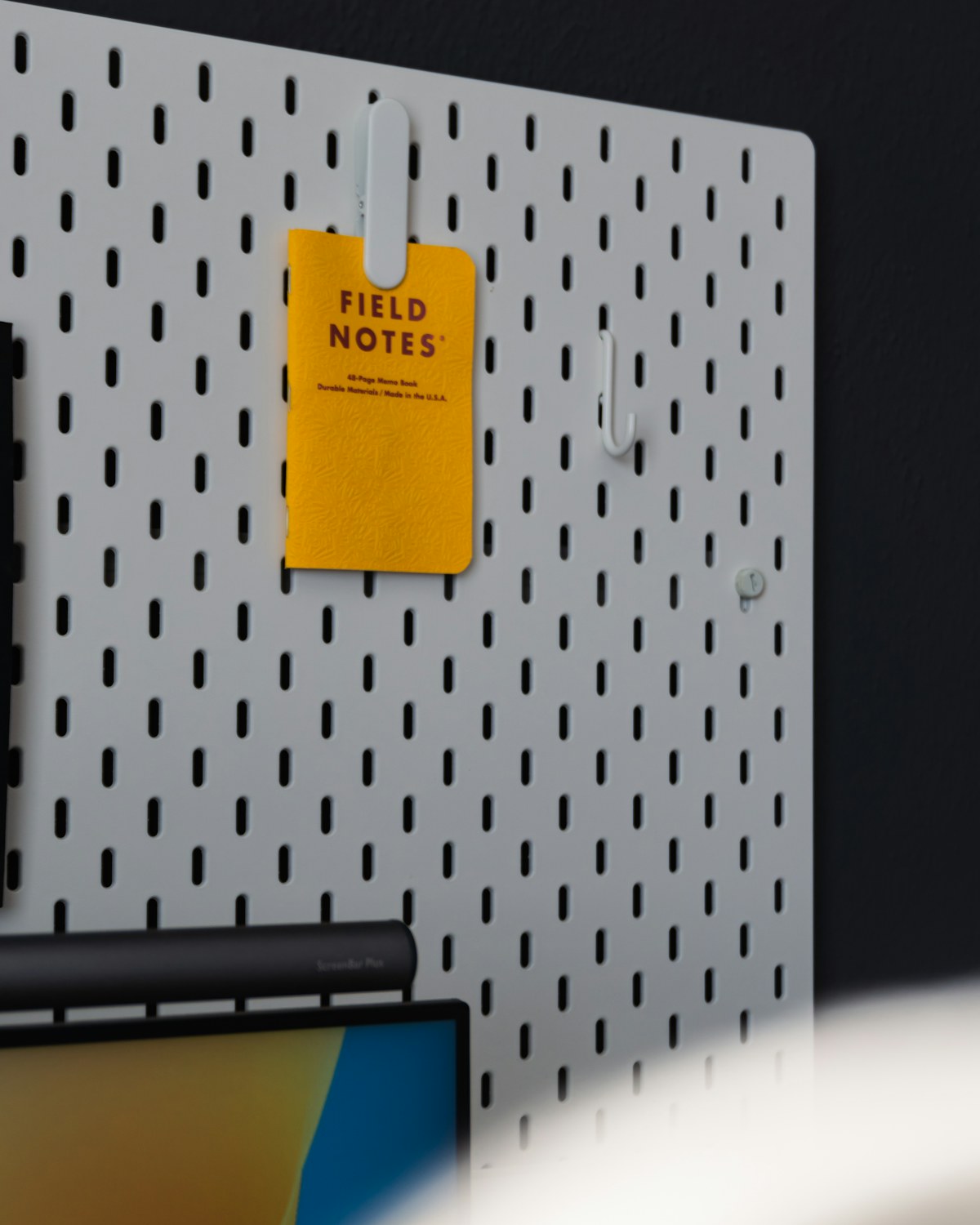
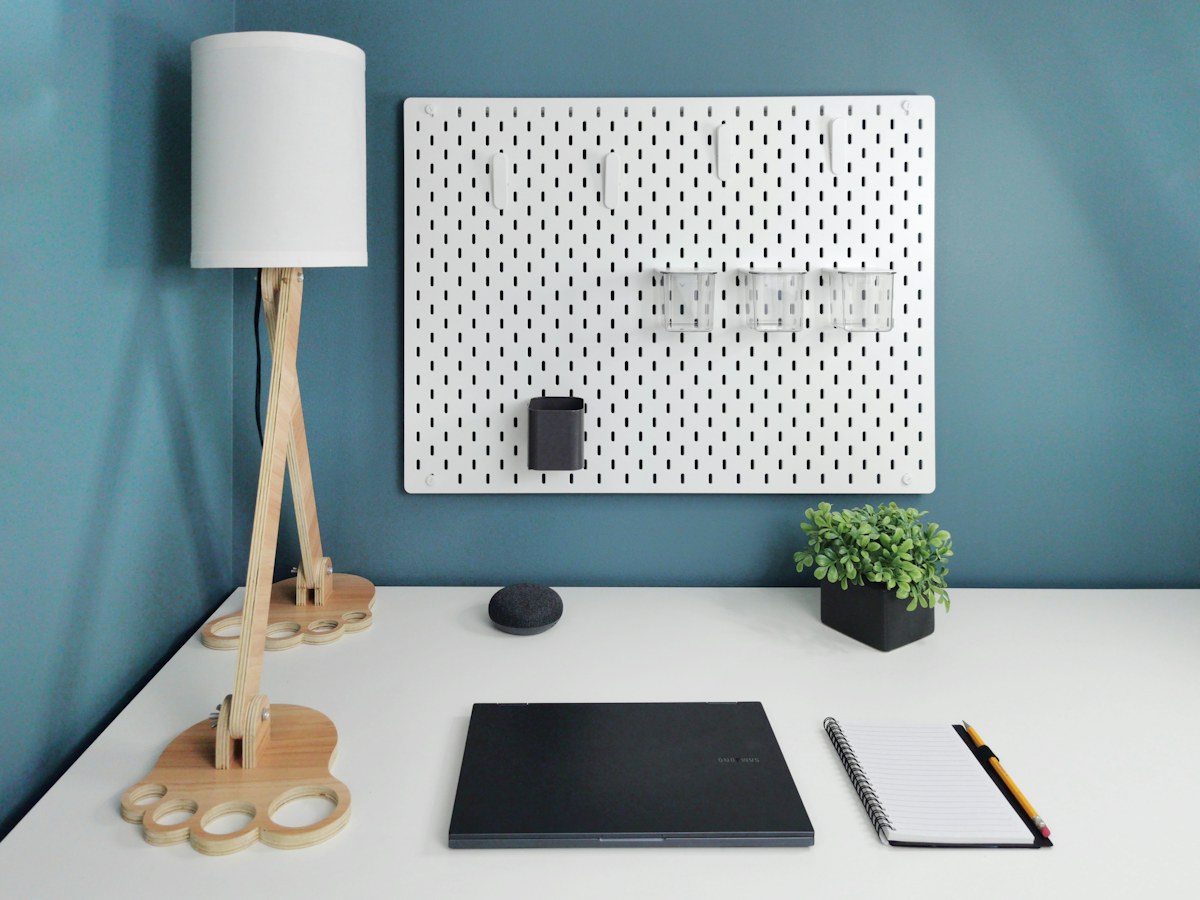
Compare compatible clips, holders and magnets as appropriate for the type of board you have. Test the way the intended holder keeps the paper visible and the ease with which it releases. A stack behind one clip can conceal a lower page. Give the important line its own position or keep the stack in a suitable folder on the desk. Use accessories as directed and do not exceed the system's limits. Keep small parts and anything that needs secure storage out of inappropriate reach, taking children and pets into account.
Check the wall, support and installation requirements before buying a board. Follow the manufacturer's guidance and confirm permission in a rented or shared space. If you cannot verify what is behind the surface or whether the wall will safely support the system, ask an appropriate owner, installer or professional. A suitable freestanding option can be easier to try in a room that changes often. Keep the required clearances around lighting, equipment and outlets. Make sure the board and holders cannot interfere with wires, switches or the way nearby furniture is used.
Look at the board with a lamp on as well as with daylight in the room. A shadow from a shelf can put the bottom note in darkness. A bright surface may reflect light into the place you sit. Try a paper sample at the position you are considering. Choose the height at which you can see the useful part while seated and still return the page safely. If the light reaches one side much more clearly, make that the spot for the page you actually read. The other side can stay open or hold an appropriate reminder you only need to recognize.
Choose a way to clear the board when the work changes
At the end of a session, look at what is still attached. Keep the papers for work that continues tomorrow, provided the location remains suitable. Give finished papers their proper destination. A receipt may need to be filed, a form may need to leave and a plain temporary note can be dealt with as appropriate. Put secure information in its intended storage. A board reset should take only as long as deciding what the next session needs. It should be possible to see the center again before you leave.
Notice which papers you leave up because there is no clear destination. Find one for that group. If references keep occupying the active area, a folder in a suitable nearby place may hold them together until the next time you need them. If a monthly task needs a reminder, choose a system that can bring it back at the right time. A wall board is easy to ignore when the same marks never change. The active note can have more presence when the old ones have somewhere to go.
Use a normal work session to test the reset. Read the note, take the action and see where the paper belongs after that. The rest of the desk should have room for what you are handling while you decide. If the board is too full to add an item without removing something that still matters, reduce what it has to hold. Keep the extra papers appropriately stored where you can reach them when needed. The board can answer a present question even when a larger project has several documents behind it.
Keep the part of the wall you actually use
After a week, check which positions have changed and which have stayed the same. If the central note helps you start a task, keep that spot available. If the departure reminder is always missed, move it to where you see it in time. Check the board and its accessories as directed after changes. A position that stays empty can be left empty. It is available when you have something you need to read for one afternoon.
Check the smallest item that remains attached. If it is a note whose handwriting you cannot read from the chair, rewrite the line you need in a larger size. A readable reminder needs less space than a collection of half-visible originals.
The desk is easier to use when the work can occupy its surface and the next action is visible above it. A single current page and a clear place for what leaves soon can do both. Keep the area that you can see, reach and reset, and let the other papers go where they belong.