A front hall may have enough hooks on paper and none available when someone arrives. One holds three coats from the same person, another is hidden behind a bag, and a scarf has caught on the end of the row. A guest sets a damp jacket on a chair because it is the first empty place they can see. It is worth looking at the hall from the position of somebody who does not already know where everything goes. Give that person one clear place to put a coat and enough space to stand while they use it.
Observe the doorway during an ordinary arrival
Come through the door with the things you normally carry. Open it as far as you need, then pause where you usually take off a coat. Look at the distance from your hands to the hooks and at the places where the coat might touch a wall, handle, or light switch. Repeat the route with someone else already standing in the hall. The problem may be that the hook is too far behind the door, or that two people need to stand in the same place to hang things. Mark the route the door takes as well as the place your shoulders need to move.
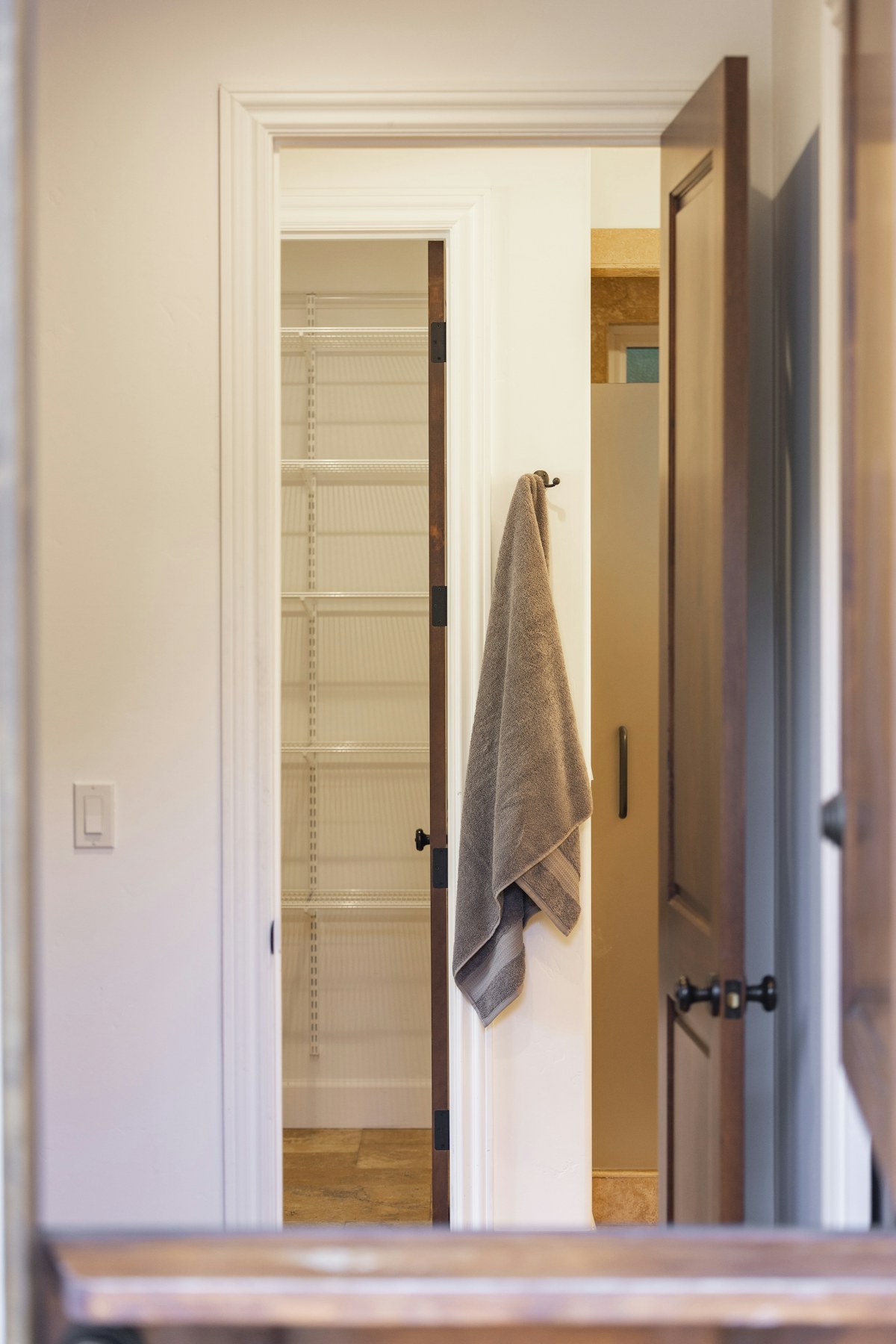
Next, try it with an empty hook and a typical winter coat. Hang the coat and close the door gently. A hook takes up little room on its own; a broad sleeve can extend much farther. Leave door controls, switches, and passageways easy to reach. If the coat lands across the door's path or blocks another hook, move the coat to a different place. A useful hook arrangement keeps the hall usable even when every ordinary item is hanging where it belongs.
Count the coats used this week
Take off the coats you have not worn recently and set them aside to review. Put back a realistic number of daily choices for each person. Somebody who alternates between a work jacket and a raincoat may use two. A coat for a rare event can live in another suitable place until it is needed. Keep enough room for each daily coat to hang without being bundled under others. When the hook supports one coat at a time, you can usually identify the missing item without taking down the whole row.
Look at bags and scarves separately. A bag takes up space differently because it swings and often weighs more than a coat. A bag on the front of a row can hide everything behind it. If it needs to live near the door, give it a place that suits its weight and shape. Put small items together where they are easy to find without reaching around a guest's clothing. A scarf that catches on coat buttons may do better in a nearby basket than hanging from the same short hook.
Make an empty hook visible
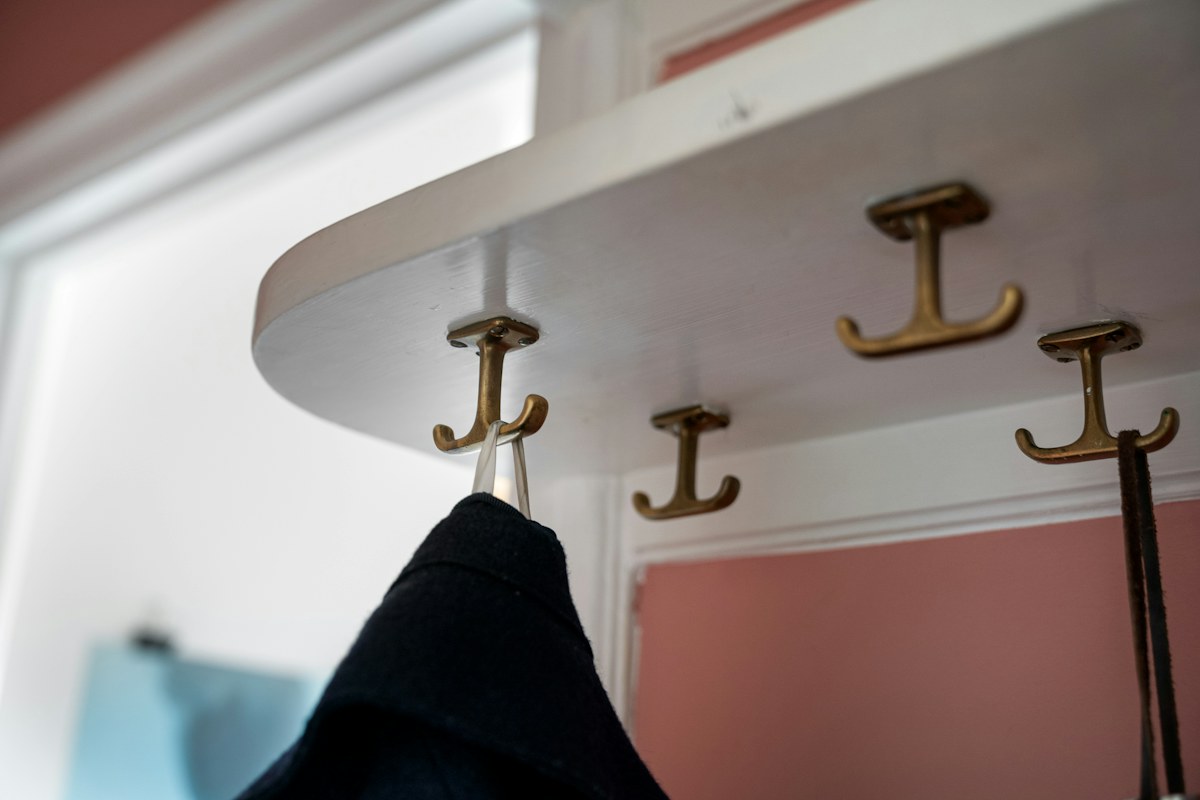
Pick one place where a visitor can see an open hook as they stand inside. If the coat row is long, choose a hook toward the end closest to the area where guests naturally pause. Try the position with a garment that has a thick collar or a short hanging loop. The hook should be easy to use without taking off something else. Keep it available during the week so people do not have to guess which family coat can be moved when the doorbell rings.
A small sign is rarely needed if the spot is clearly empty and somebody can point to it. If the hall has several places to hang things, a simple gesture as you greet a guest is enough. For a regular visitor who prefers a lower reach, try an existing hook they can reach comfortably and leave enough room to approach it. A chair or bench nearby can give people somewhere to sit while removing shoes, as long as hanging garments do not brush the seat or get in the way of standing up.
Decide where damp coats will go
A damp coat needs air around it and a surface underneath that can handle a few drips. Think about where the coat can hang without touching paper, untreated furniture, or somebody else's clothing. Follow the coat's drying instructions. If you use a tray on the floor for the occasional drip, keep it in a position that leaves the walking route clear and empty it when you are done. A busy hall with little spare space might work better with a suitable drying place nearby and one clean hook for dry coats by the door.
Give umbrellas a home that can handle them in the state they arrive. A dripping umbrella can take up a surprising amount of space if it is left partly open to dry. Use a suitable area where the floor will stay safe to walk on and people can still use the door. A closed umbrella can wait in a stable holder while you take off your coat. Keep the holder where you can see it before leaving on a rainy morning. The point is to avoid moving the wet item past a stack of clean bags to reach somewhere it can drain.
Check what the hooks and their support are intended to hold
Look at the rating and installation instructions for any existing rack, hooks, or stand before increasing the load. A coat hook can be suitable for one garment and still be a poor home for a full backpack. A freestanding rack can become unstable if heavy items collect on one side. Use the equipment as designed and keep the weight within the stated limits. If you are unsure whether a wall attachment is suitable, use a stable alternative or get qualified advice. An entryway arrangement does not depend on adding hardware in a hurry.
If you rent or prefer a reversible setup, look at options intended for the surface you have and allowed by your agreement. Check whether an over-door product leaves the door able to close and latch properly. Avoid attaching anything that interferes with the operation of a door you rely on. A suitable existing cupboard near the entry may be enough. Leaving its first section free on a day when people are coming over can work as well as a dedicated row of new hooks.
Arrange for the return journey
A visitor needs to find the coat again before leaving. Keep its pockets and sleeves from disappearing behind a stack of bags. When you take more coats than the hall can hold, choose one additional place people can find later. A spare room with a place intended to support clothes may suit an occasional group. Tell people where you put their coat and keep the route there available. A single predictable overflow place is easier than carrying items from the hallway into several different rooms.
Use the same return test for your own items. If the coat comes off neatly and a scarf is always missing the next morning, think about the last place your hands are free. A small basket or shelf there may give the scarf an easier journey than another hook higher up the wall. Put the objects you use together where you can gather them in one motion. Keep the door area available for leaving as well as entering, especially when two people are getting ready at once.
Give children's layers a place they can identify
If a child uses the hall, watch how they hang a light jacket and where they stand to do it. A lower position may help if they can approach it without stepping over bags or wet shoes. Use a rack or cupboard that suits the household and check the manufacturer's guidance about intended use. Put a recognizable detail beside the place, such as a name card or a small colored tag, if that makes the hook easier to find at a busy time.
Give the child's bag its own appropriate support if the coat hook is intended only for a jacket. Check that sleeves and straps stay clear of the floor and that the main doorway remains easy to use. If two children are getting ready at once, the hooks may need more space between them than they need on a quiet afternoon. Try the arrangement while everyone is putting things on in the morning. That is the moment when an empty approach to each spot will matter.
Change the arrangement when the season changes
A front hall needs a different amount of room in warm weather and when thick coats come back. At the first change of season, remove the clothes nobody has reached for in several weeks and check the hook space again. If a bulky garment needs more room, leave the neighboring hook open while it is in use. Small seasonal changes are easier when you can see what each person wears and which spots are still available. Take the time to air and care for any item before storing it as its label directs.
Try the guest setup the next time someone comes over. Notice where they naturally stand, whether they see the place you meant for their coat, and what happens when you both need to leave. Move the spot if it makes them step around a door or reach over something. You can keep the most useful hook empty even on ordinary days. It gives the front hall a little room for whatever arrives after the rest of the house has settled.