Clean laundry often travels through the house in the same basket it arrived in. The basket stops on the sofa, where socks are paired, and moves to a bed, where shirts are folded. By evening it is on the floor because someone wants to sit down. If you can identify the move that keeps interrupting the job, you can choose a folding surface around the work you actually do. A small spot with room for a basket and one garment is enough in many homes. It helps if you can stand or sit comfortably and clear it when you finish.
Follow a normal load through the house before deciding where to change things. The washer may be in the basement while most clothes belong upstairs. A bedroom may have a convenient surface but be occupied at the only time you can fold. A dining table may work after meals as long as the laundry can leave before the next one. Decide which interruption matters most. A permanent table beside the machines solves a different problem from a clear spot at the top of the stairs.
Choose the route first
Imagine a load with four destinations. There are towels for the bathroom, shirts for a wardrobe, socks for a drawer and kitchen cloths for a shelf. Follow the path with an empty basket and decide which pile is easier to deliver from which end of the house. Folding beside the dryer saves moving loose laundry downstairs, but you still have to carry the folded stacks to the rooms where they belong. If you already bring one clean basket upstairs, folding near the rooms it serves might shorten the final trip. The point of the walk is to notice where the work crosses a crowded area.
Make a note of doors that need a full swing and surfaces that are already occupied. In a shared house, a laundry surface beside a rear door can become a place for backpacks as soon as somebody comes inside. A surface in the hall may block the place where people pass with baskets going the other way. It can help to take a basket to a possible location at the time you normally fold. Check whether you can set it down without moving an item belonging to someone else. Look at where the empty basket would wait when you are finished.
Give the basket a clear drop point. If it stays on the floor while you work, check whether you can reach the bottom comfortably and whether the basket is in the way of your feet. A sturdy bench or table edge can hold it at an easier height if the surface is designed for the load. Put heavier baskets down deliberately and avoid using the edge of a small piece that can tip. If you prefer to sit, see whether you can position the basket alongside you and move clothes from it to the surface without twisting around.
Size the surface with the load in front of you
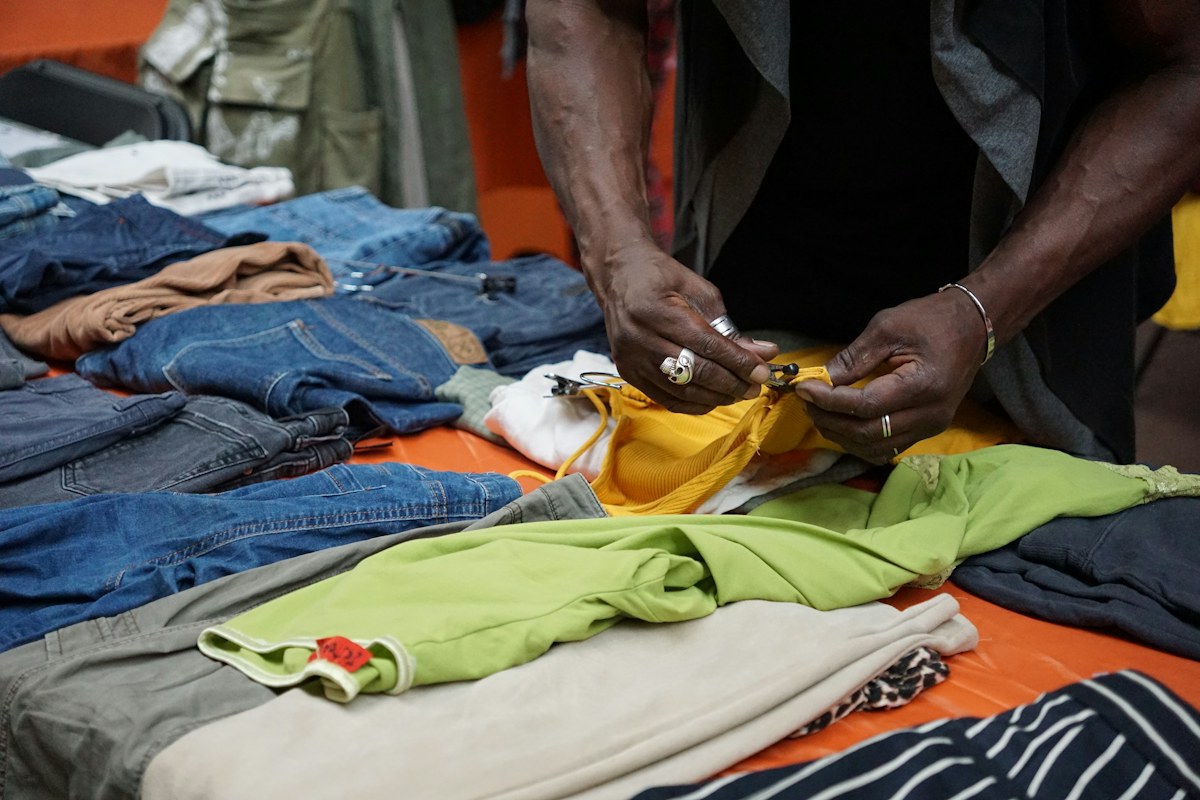
Set the largest thing you regularly fold on the table you already use. A bath towel or sweatshirt is a better test than a small hand towel. Try folding it with a stack already occupying part of the surface. If the finished item needs somewhere to go before the next one can be laid out, test an arrangement with one clear working area and a second spot for completed piles. That second spot can be a basket, a chair beside you or a clean shelf. You may be able to keep a much smaller work surface when it no longer has to hold the whole load at once.
Large sheets can be handled separately. It may make more sense to fold them on a bed occasionally than to keep a table the width of a sheet clear all year. Think about whether there are items you prefer to hang right away. If shirts usually leave the laundry on hangers, put a few empty hangers within easy reach and reserve a clear place for them to go afterward. That keeps them from occupying the space where the rest of the load is being folded. If a hanger has to cross the house before you can use it, consider bringing a few back when the empty basket returns.
Test the height with two different loads. A standing surface that feels comfortable with a pile of towels can feel low once you spend time matching socks. At a chair, a deep top can keep the far side out of reach. Choose a height and depth you can use without leaning repeatedly or twisting to find space. A piece of painter's tape placed at the proposed front edge of a table can tell you a lot about reach. Remove it when you finish the trial and check whether you could move the same way on an ordinary day.
Pick a surface that works in the room
A table you already own is a sensible first trial. Give it a few loads before looking for another piece. A freestanding narrow table can work if it stays firm when you pull a towel into position. A wall mounted table may free floor space between uses if the wall and fittings can support it and you can follow the maker's installation instructions. Measure the open and closed positions with the door, switches and other furniture in place. In a narrow passage, think about who will walk through while the surface is open. Closing it after each load helps only if you can finish the load before somebody needs to pass.
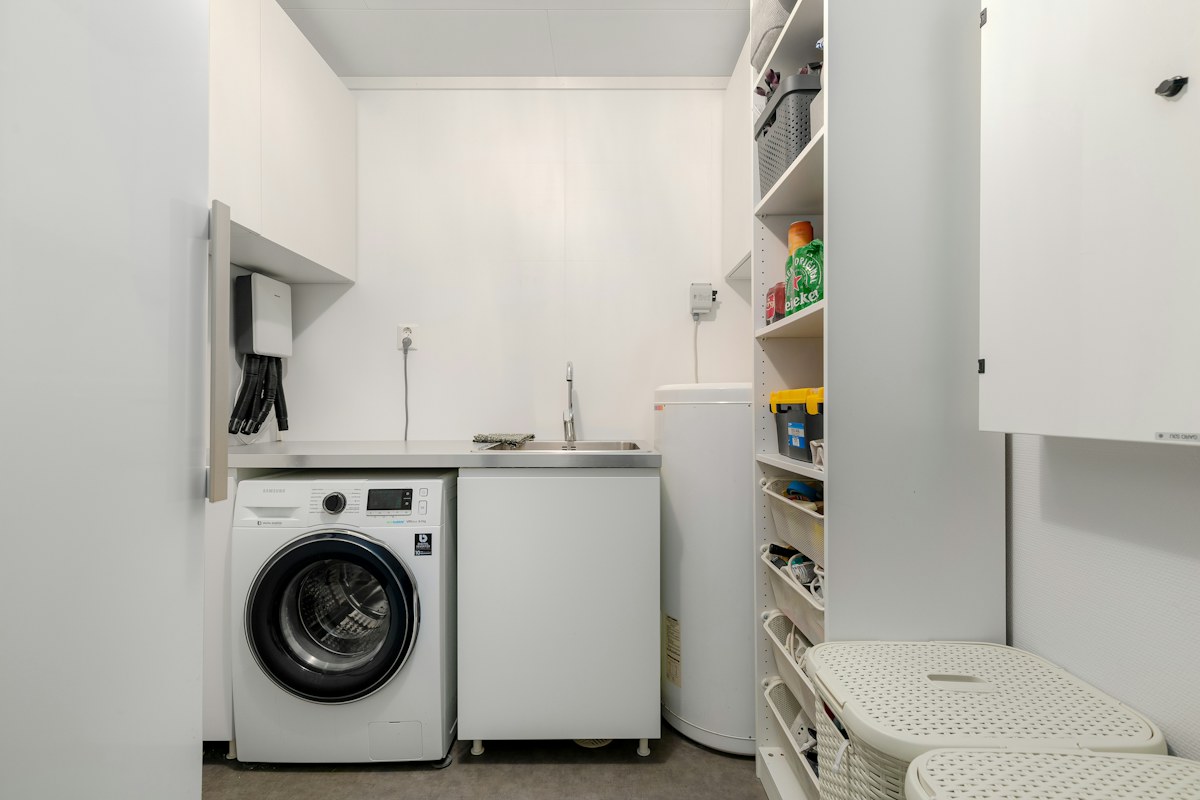
If the machines share a closet, leave the access their maker requires. Keep ventilation, service panels, filters and controls clear. A light board placed across appliances can shift as they move or obstruct parts you need to use. A separate surface designed for the room is easier to evaluate. Even a table on the other side of a doorway can work when there is a direct place to put the basket. An open machine door and the person using the table should have room at the same time.
Look at lighting over the surface before choosing a permanent location. Daylight near a window can be helpful, while a shadow from a shelf may hide a small stain you would rather catch before putting a garment away. Try using the site in the evening if that is when you usually do laundry. You may need to angle an existing lamp toward the work or choose another surface with light already available. Keep cords away from baskets, doorways and wet areas. A surface that fits beautifully on paper can still be a poor fit if the only time you can use it is when it falls into shadow.
Send each finished pile somewhere it can leave
Start a load with a plan for the first pile. A towel headed for the bathroom can go straight back into an empty part of the basket. Clothes for somebody else's room may need a place where they can collect them without moving the other piles. In a shared home, two shallow baskets may work better than a long shelf when everyone puts away their own clothes. Give each one a defined place at the end of a session. If the baskets are full when the next load arrives, the problem might be pickup timing rather than a shortage of folding space.
Try sorting with the room layout in mind. If there is space for only two piles, make one for the nearest destination and one for everything that leaves the floor. Take the first pile away before sorting the second into smaller groups. This can be easier in a tight apartment than reserving a place for every person and category at once. When a load contains an item that needs mending or another wash, give it a separate stop so it does not end up under the clean clothes. A single container reserved for repairs can be enough if you empty it regularly.
Notice which items always interrupt the flow. The stray sock may need a small container that can be checked when the next load is folded. A hanger you need every time might belong right beside the table instead of in the wardrobe. A garment that should be dried flat needs its own suitable surface and time to dry. Leave the folding area available for dry laundry while that item finishes elsewhere. Once each interruption has somewhere to go, it becomes easier to clear the table in the time you actually have.
See whether the surface clears between loads
Try the arrangement for a week. If it remains covered at the end of the day, identify what is waiting. Clothes that have been folded but never move may need a better route to their rooms. Mail that always appears while you work suggests the table has another daily role. Decide whether the two uses can alternate. A tray that carries the mail somewhere else during folding may make the surface usable without creating a new permanent spot for laundry. If the table needs a complicated reset every time, test another place before investing in furniture.
At the end of a load, wipe or clear the top as appropriate, return the empty basket to its usual place and put away the hangers you did not use. Watch how long it takes to make the space ready for tomorrow. In a busy house, the right surface might be one you borrow for twenty minutes after dinner. In a room with good clearance and a regular laundry routine, a narrow permanent table might be useful several times a week. Choose the version that turns a clean load into finished piles and gives the room back when you are done.